






The first workshop
2013 launch · AU$34,610 crowdfunded
An idea developed in 2012 became a shared workshop in 2013. The first campaign established support before the doors opened.
Selected work · Project direction & production
A selection of my work across workshops, festivals and productions. Thank you for taking a look.
Kommune started with a simple problem: where do you work on your bike if you don’t have a garage, tools or someone to ask? I co-founded a place where people could share space, tools and knowledge, then grew it into a community of more than 1,000 members at its peak. Over ten years, I built and ran two successive workshops, finding the funding, people and partnerships to keep the doors open.
Founder & Operator · Strategy, funding, facilities, partnerships, people and daily operation.
A key decision
Chris had become the volunteer others relied on for fabrication help. His generosity was valuable, but the growing demand was consuming his free time.
I created a paid one-to-one teaching role for him, connected him with members and built the booking process around it. He could keep helping people, with a defined role, responsibility and support.
The paid teaching role and booking process were established, and participants gave positive feedback. Chris later co-founded a fabrication business with another member; I supported him with paid work, introductions and continuing encouragement.
I co-founded the project with Geoff “Richie” Baldwin in 2012 and opened the first workshop in 2013. After Richie left around 2015, I continued as sole operator, growing the business while producing builds, exhibitions and community programmes alongside it.
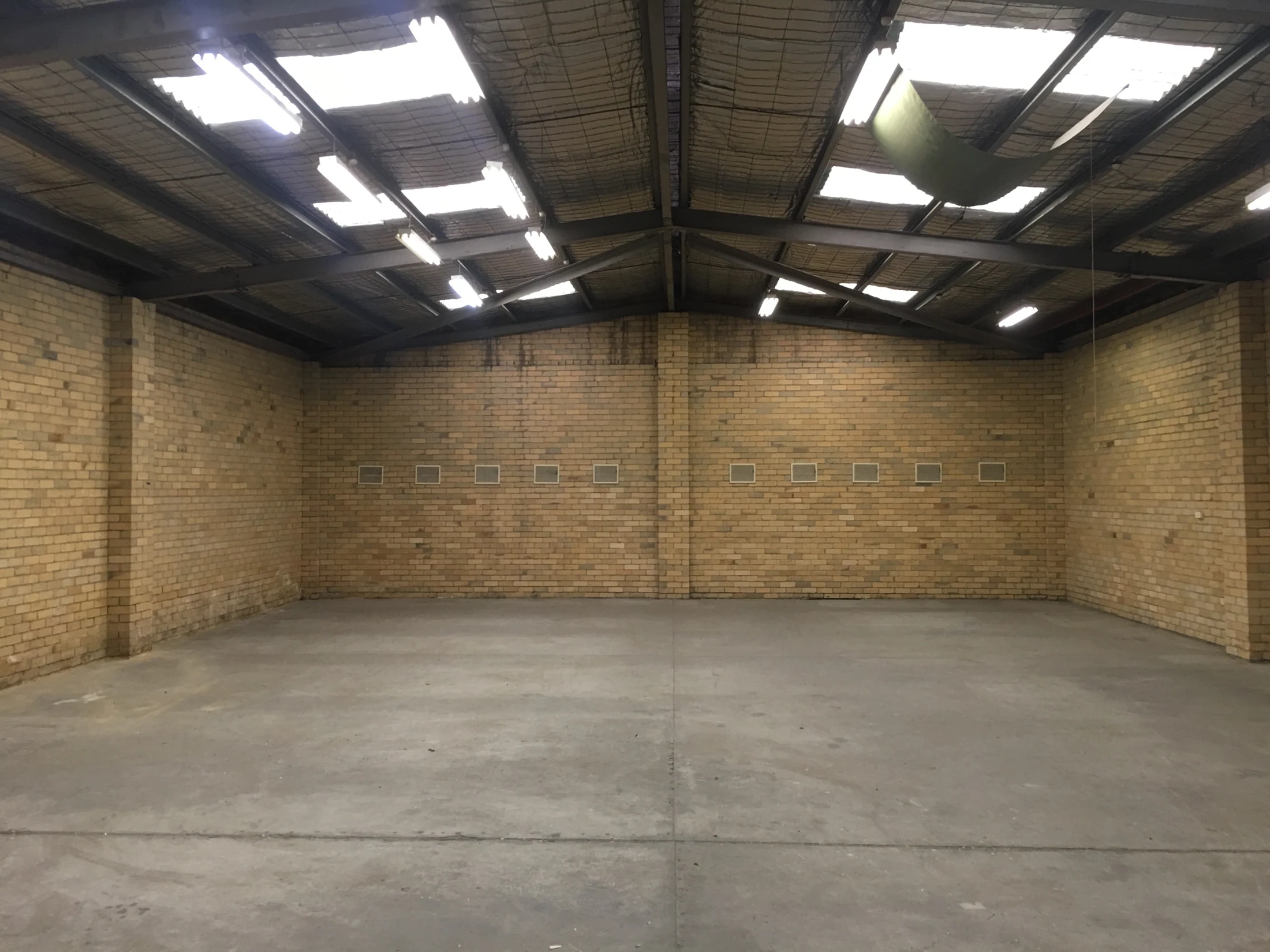
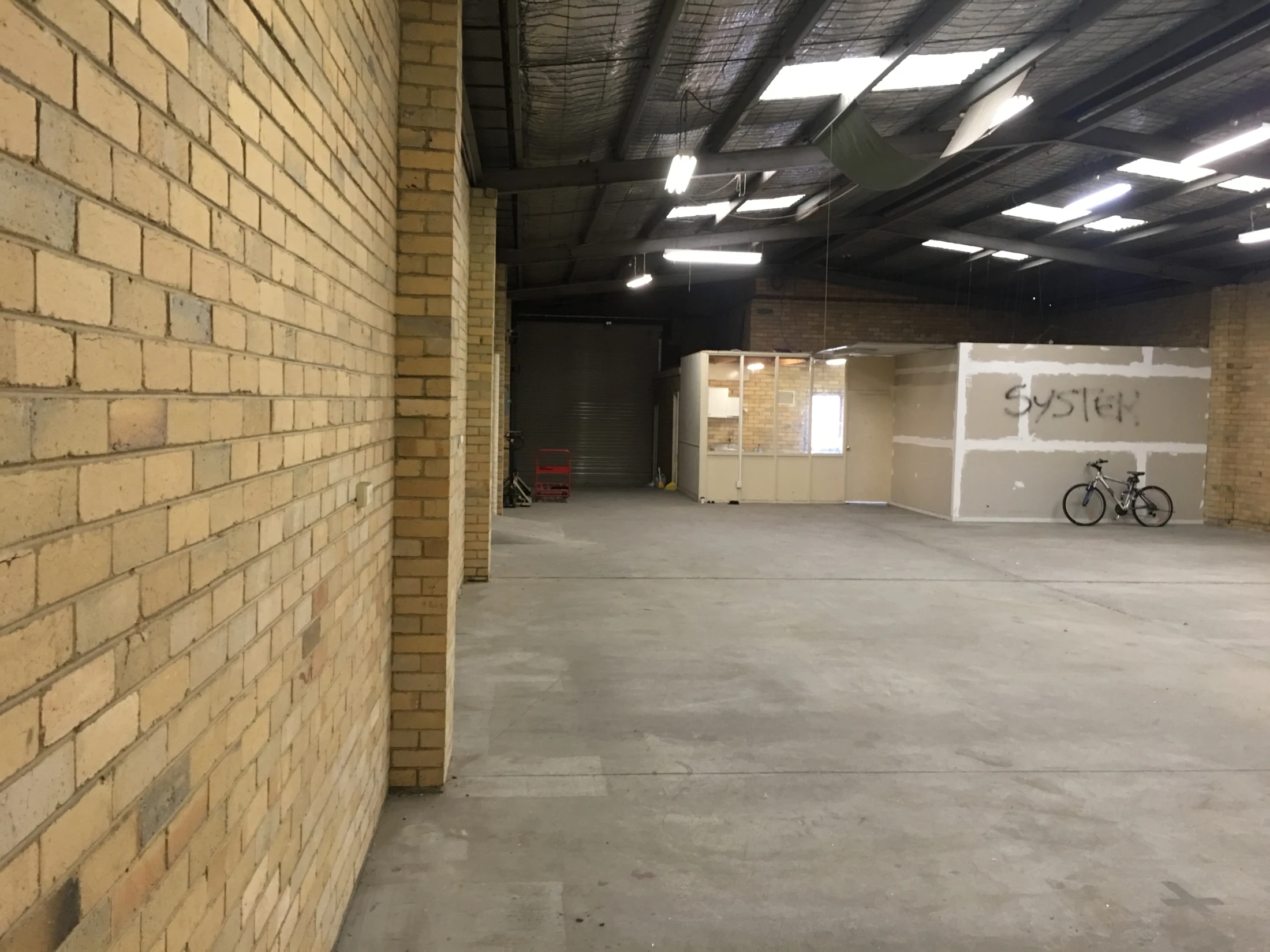
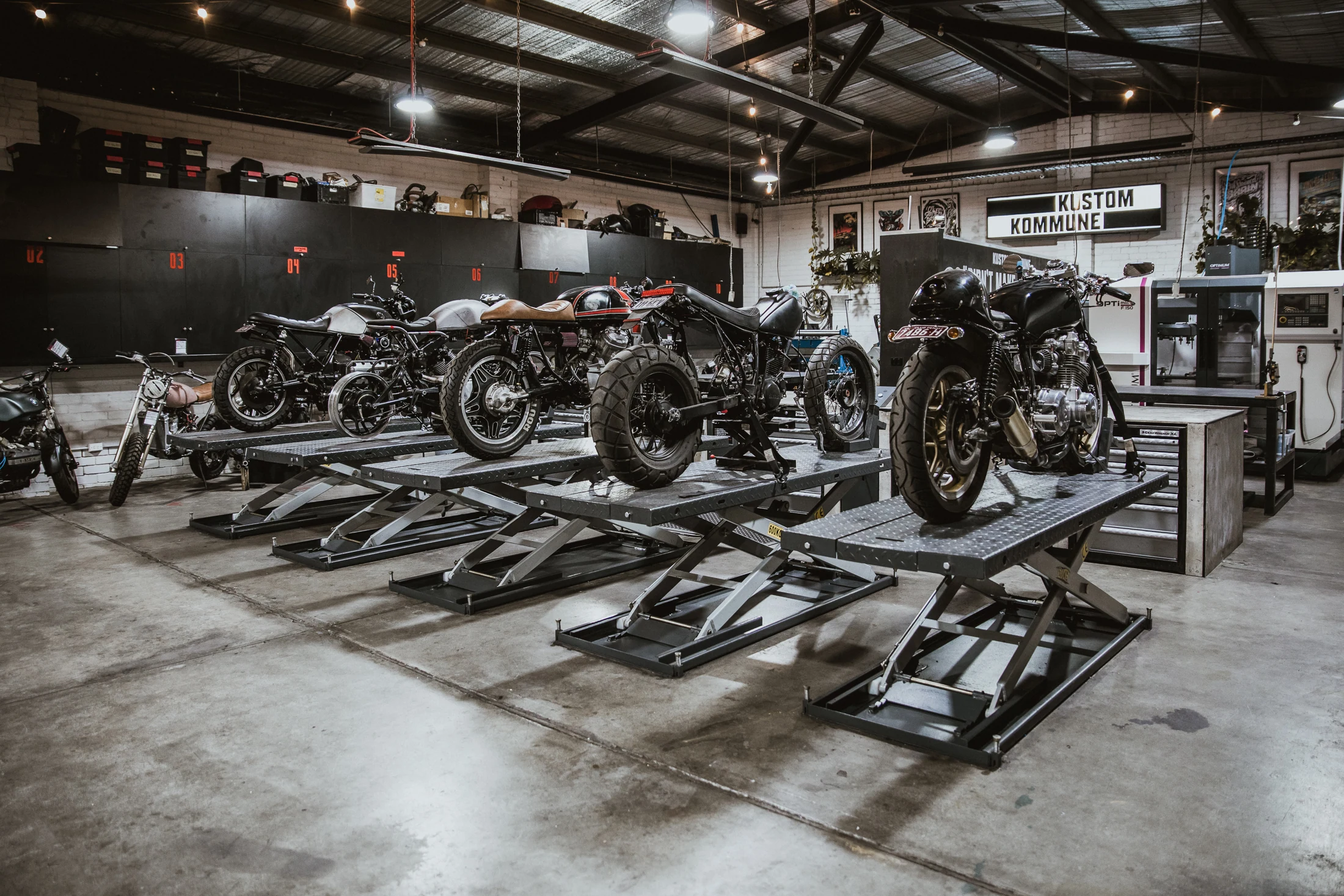
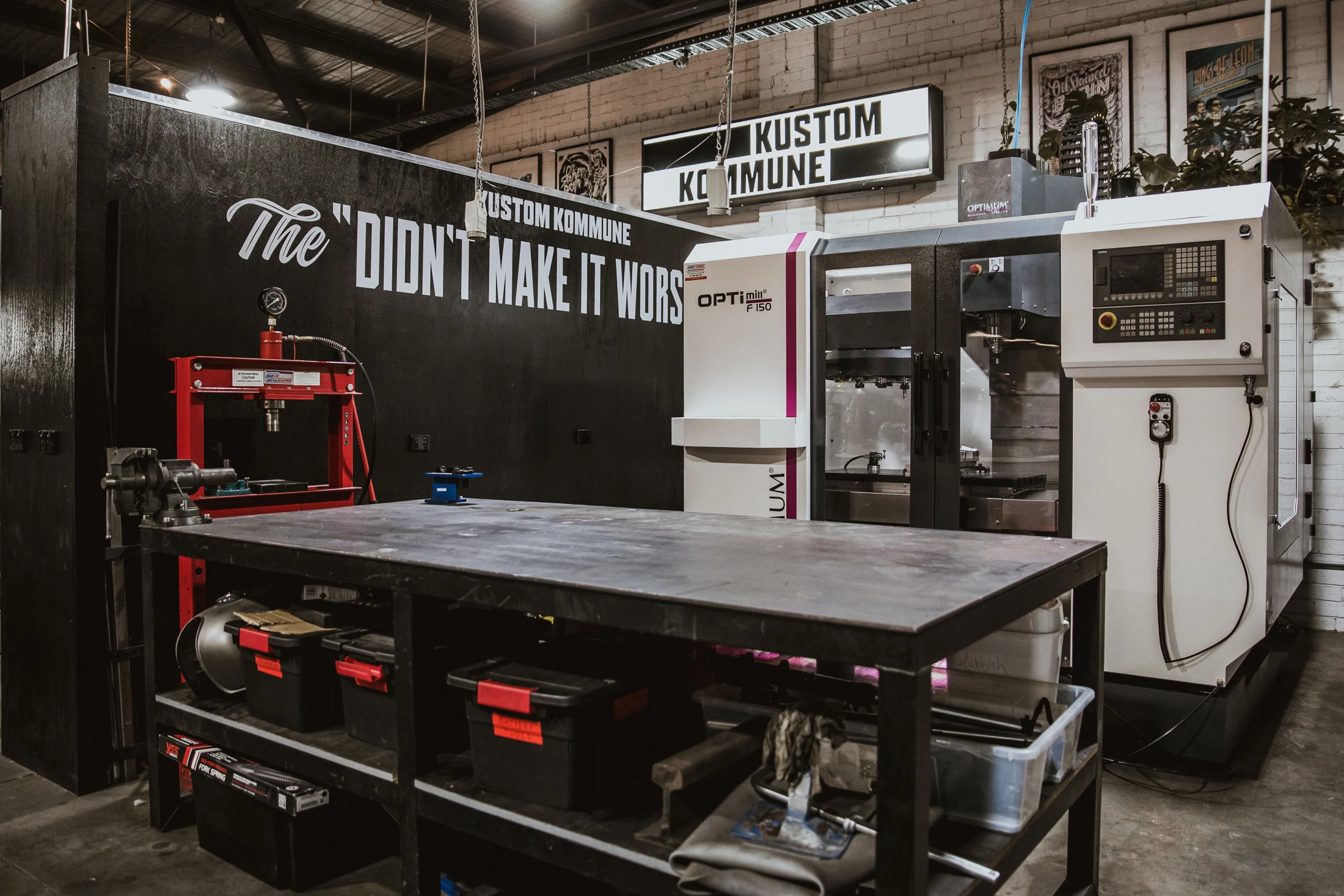
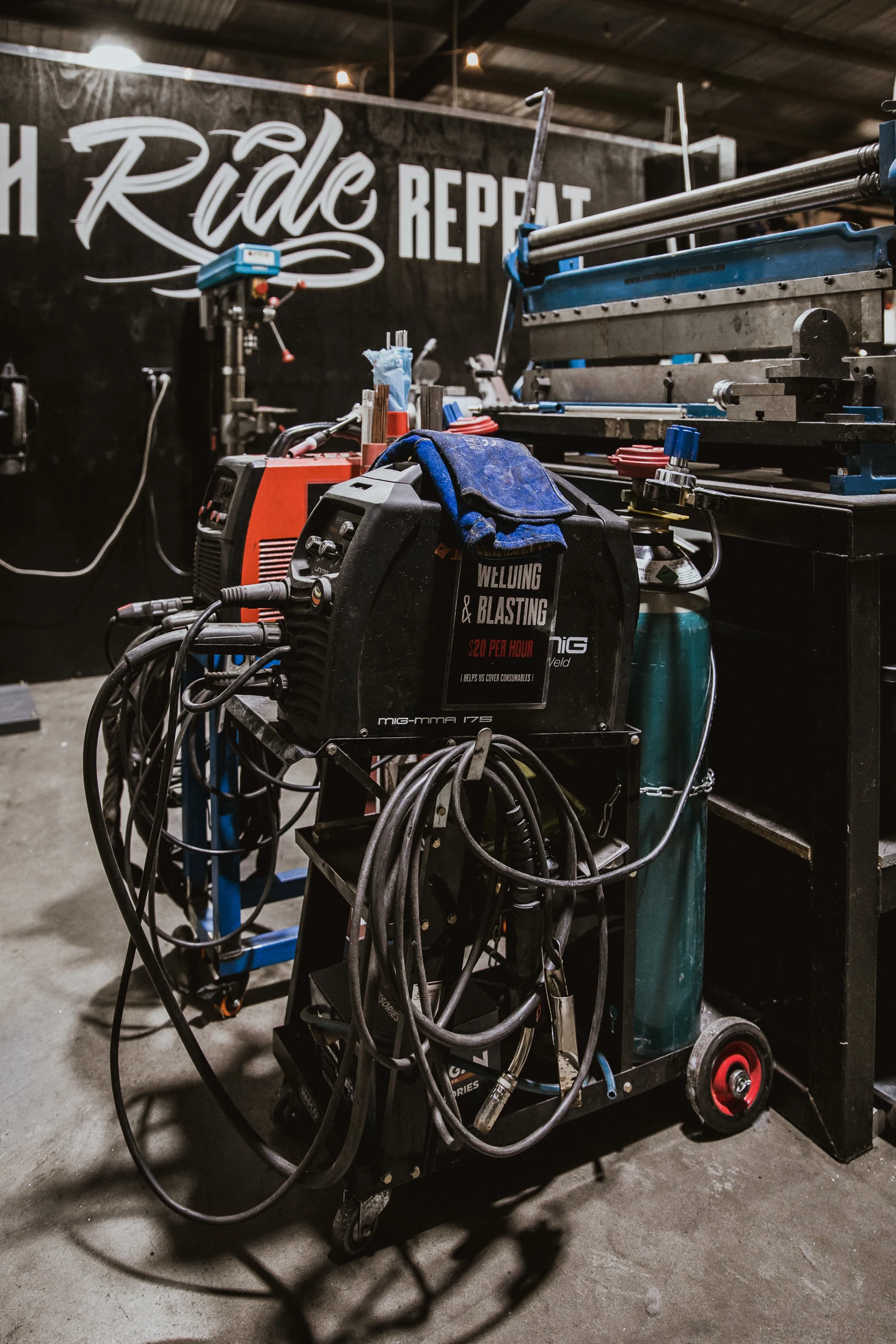
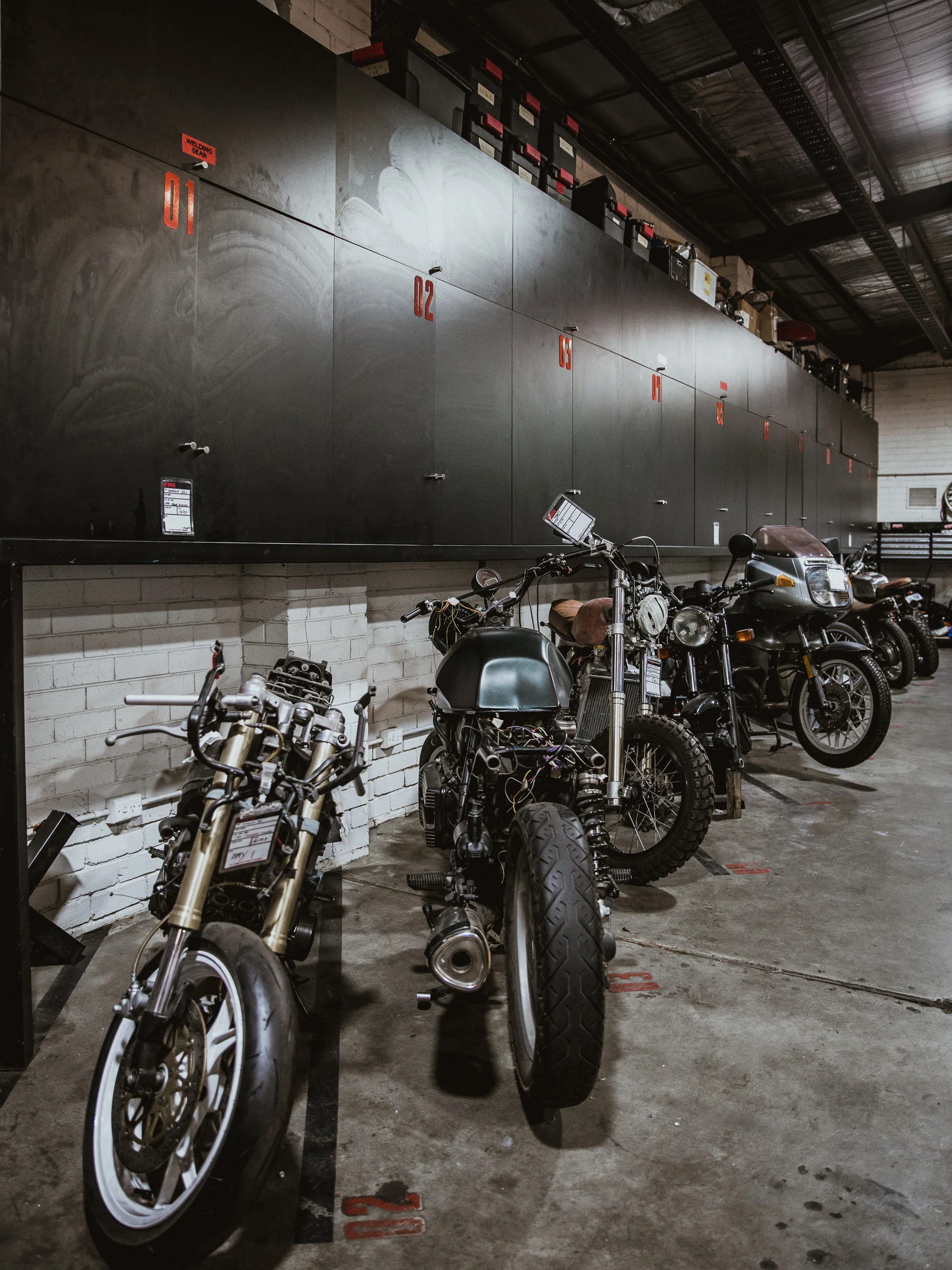
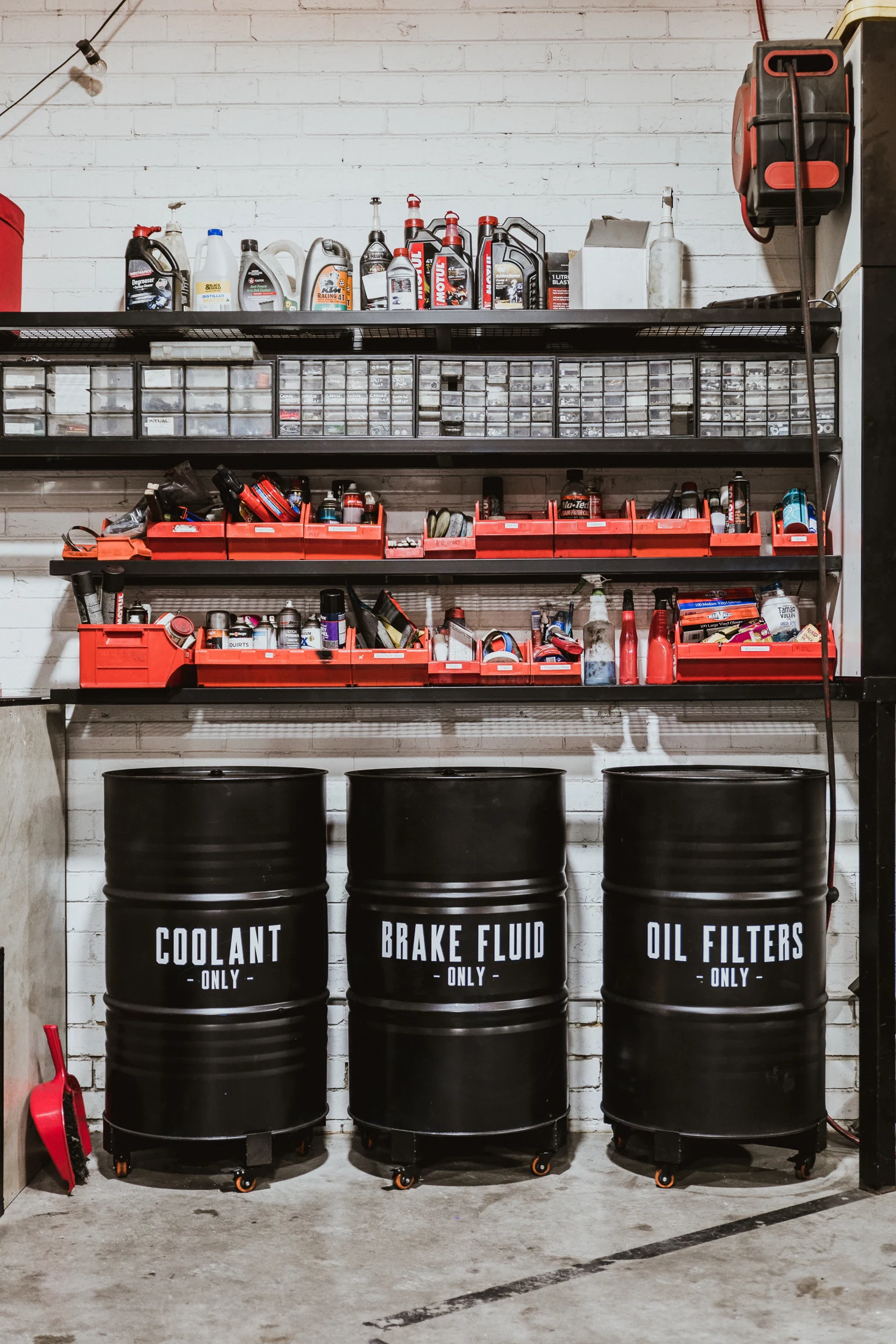
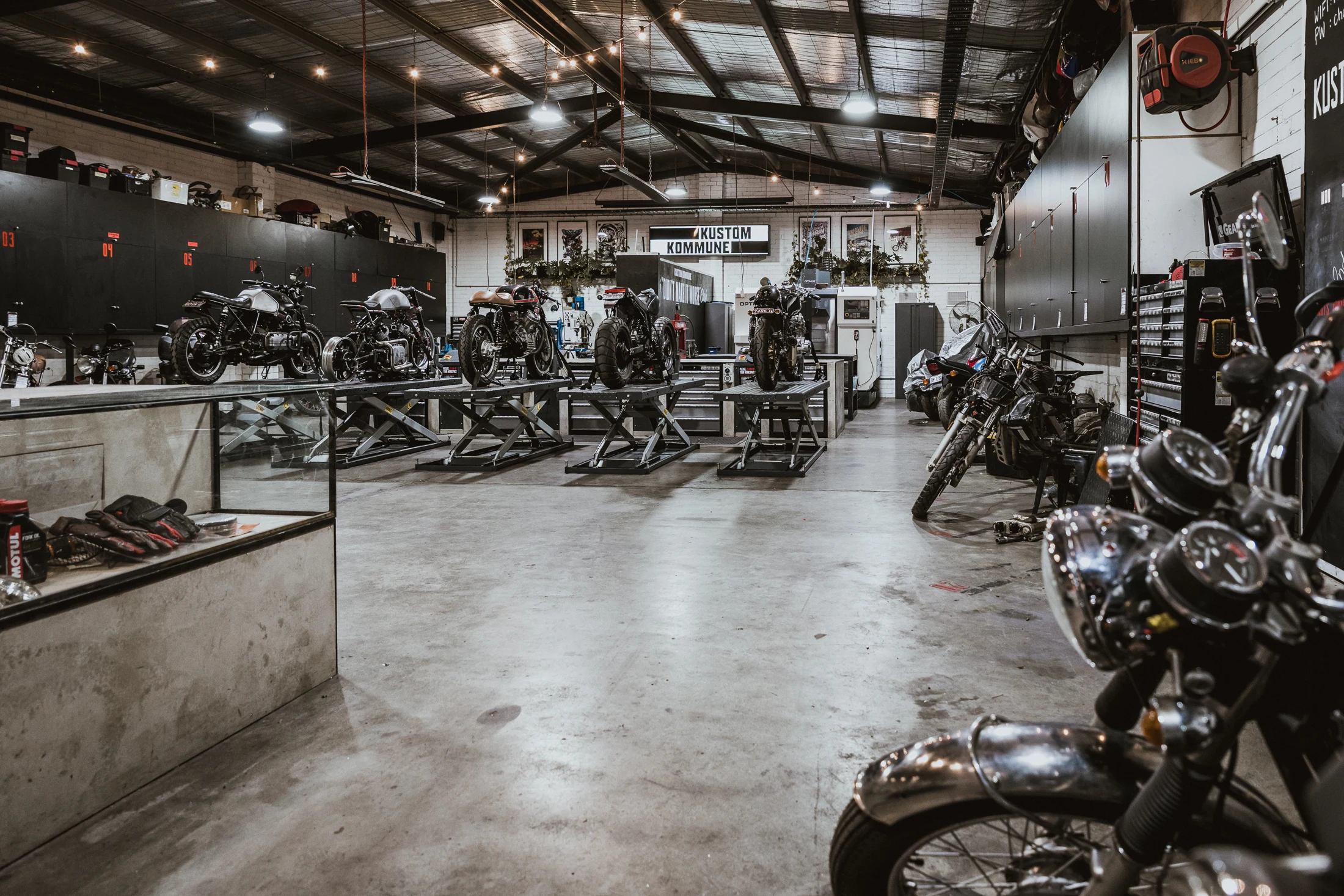
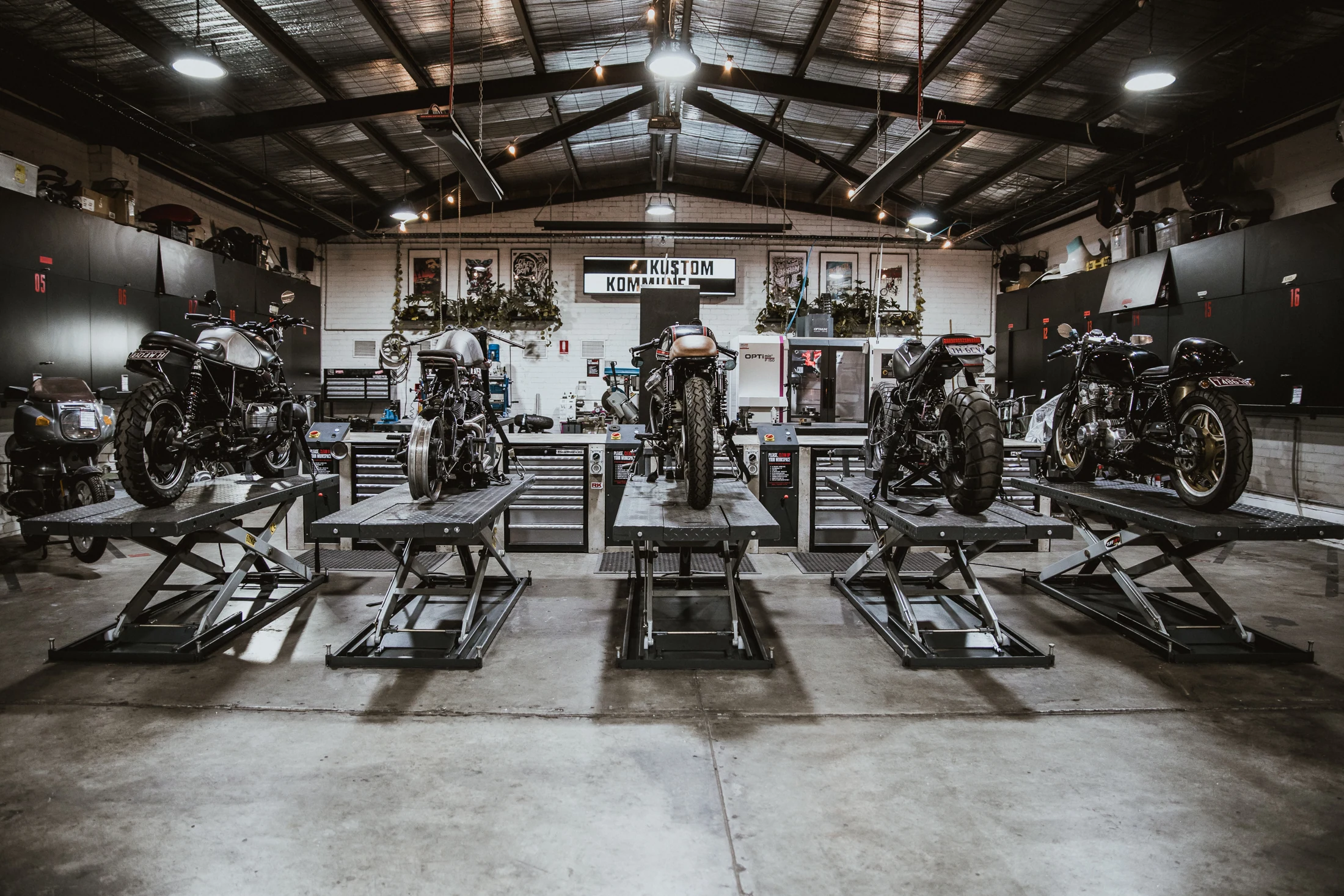
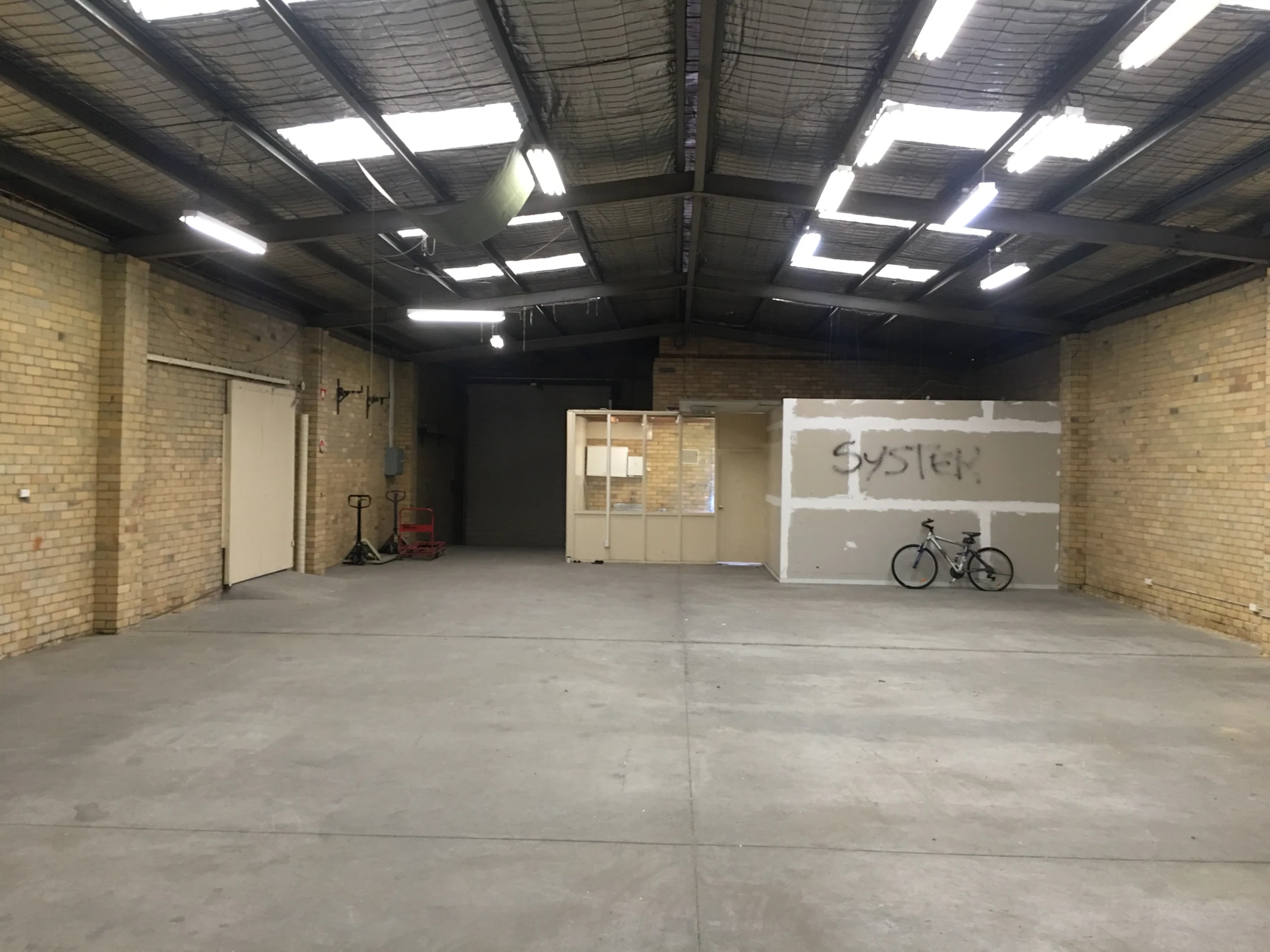
The first crowdfunding campaign raised AU$34,610. When we outgrew the workshop, I led a second campaign and a major relocation: eight venue inspections, lease negotiation, design, council applications, fit-out, equipment and opening. The larger workshop reopened in August 2017 with five equipped DIY bays, fabrication and welding areas, commercial extraction, storage and community space. The expanded operation covered approximately 400 m², including nearby storage.
The expansion brought together ≈AU$250,000 in cash, equipment and donated professional and trade work. Making that into a working workshop meant matching people’s skills to the jobs, paying for materials where labour was donated and getting equipment there when it was needed. I also kept backers involved as the timetable changed.
2013 launch · AU$34,610 crowdfunded
An idea developed in 2012 became a shared workshop in 2013. The first campaign established support before the doors opened.
Funded in 2016 · Reopened August 2017
AU$104,930 through Pozible against an AU$100,000 target, plus ≈AU$20,000 in private donations. Equipment and donated professional work brought total project value to ≈AU$250,000.
Facility, community and systems
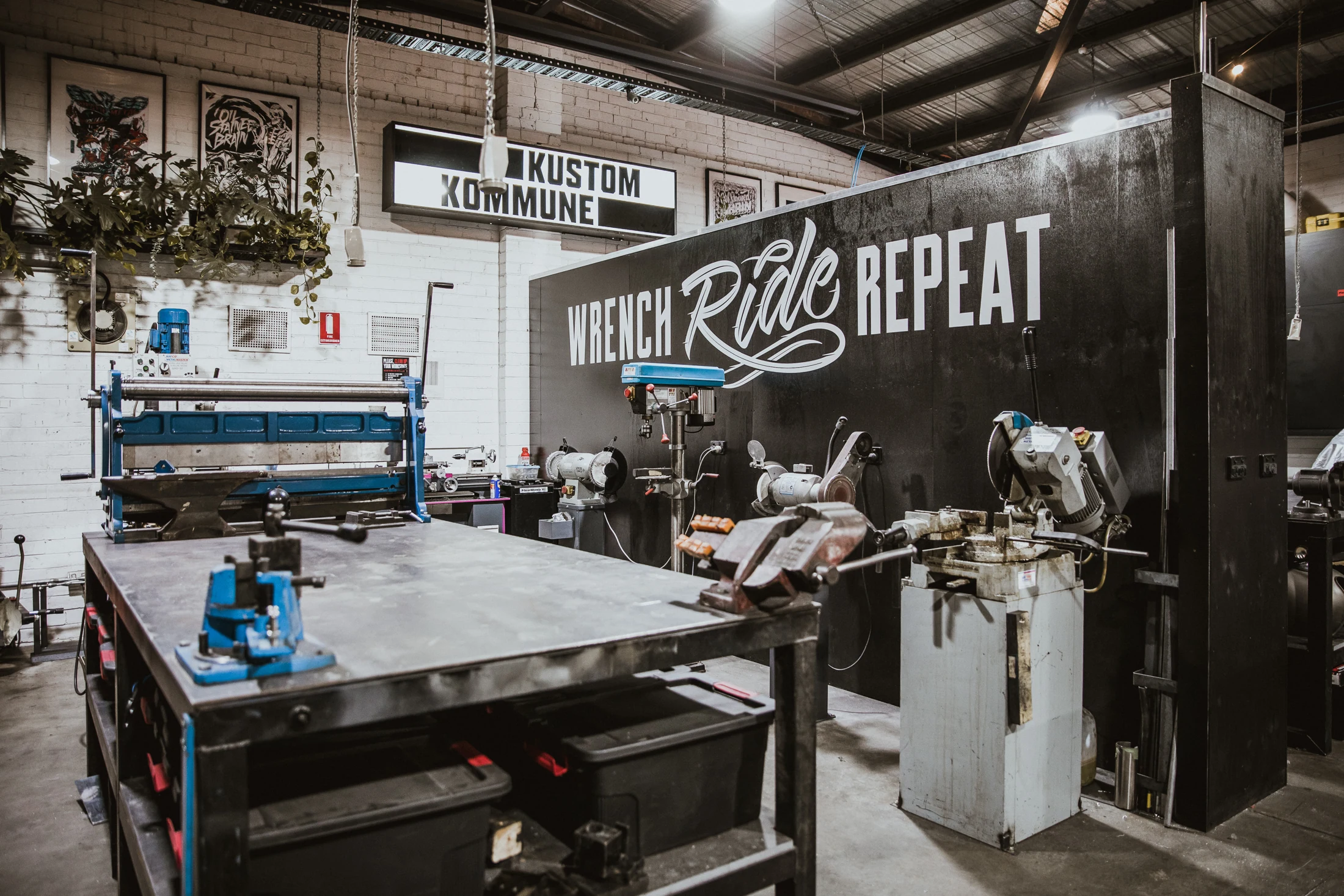
Five equipped DIY bays, fabrication/welding, storage, training and community space, supported by membership/access systems and volunteer roles.
I shaped the pitch, campaign and rewards, converted community support into funding, and kept members and backers engaged through venue and application delays.
I assembled the committee, set priorities, delegated work and brought planning, promotion, rewards and applications back into a single delivery plan.
I negotiated and coordinated equipment support closely through the fit-out; Harley-Davidson was also a wider commercial partner.
I developed and managed relationships spanning financial support, original tool sponsorship, events and content. The Transport Accident Commission was a major sponsor; Movember became a substantial programme partner through Konnections.
I briefed contributors, translated operating needs into design decisions and coordinated their work with the fit-out. Akshay Rajan is credited on the proposed floor-plan drawing.
I coordinated paid and donated trade work, agreed what each contribution covered and made sure materials and preceding tasks were ready for the people doing it.
I led venue search, lease negotiation and council applications, bringing committee and specialist input into the delivery plan.
I maintained newsletters, social updates and interim events as the timetable changed.
I set the model, pitched the community and sponsors, ran both crowdfunding campaigns and controlled expenditure. I balanced cash, donated time and equipment against the real cost of opening and operating the workshop.
I selected venues, negotiated the lease, led council applications and directed the fit-out. I briefed designers and coordinated trades and equipment, working through what had to happen first so each person could get on with their part.
Committee members, volunteers, professional advisers and tradespeople all brought something different. I agreed roles and expectations with them, followed up on commitments and made sure people had the information and support to do their work.
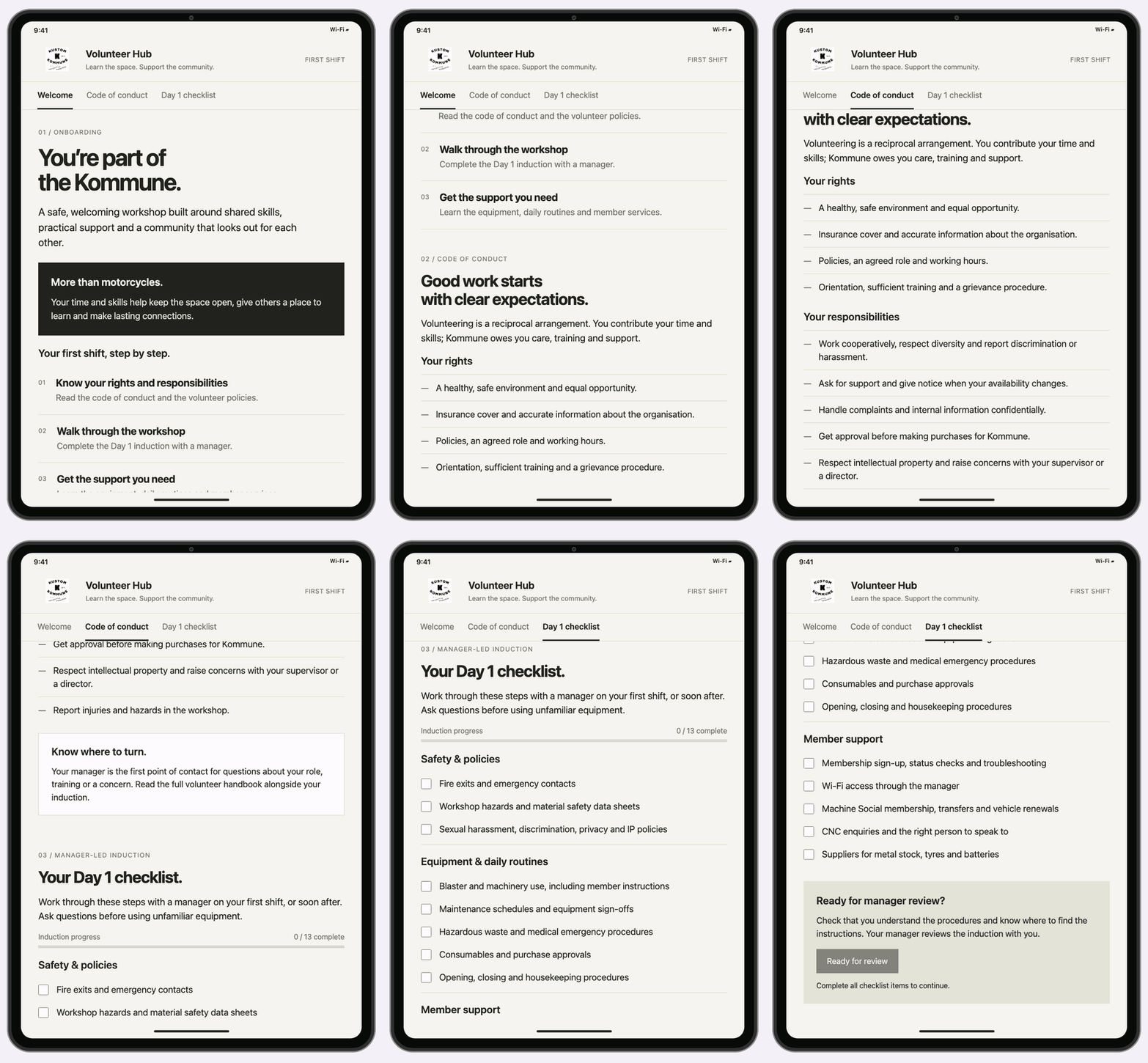
I developed volunteer recruitment, onboarding, induction and policy documents, and worked with legal advisers to review responsibilities and agreements. Managers delivered induction and training; the handbook, checklists and escalation routes gave them a consistent structure.
I introduced paid one-to-one teaching and built its booking workflow, connecting skilled trainers with members who needed help. I gave contributors responsibility, practical support and a route to earn from knowledge they had been sharing for free.
I remained responsible for memberships, access, programming, partnerships and finances while producing major projects. At the business’s commercial peak, I was its sole employee; delegated roles and operating systems made that workload possible.
I held the direction, commercial decisions and responsibility for bringing the whole operation together. Architects, designers, tradespeople and team leads had clear briefs, room to deliver their expertise and my support at the points where their work depended on someone else.
I treated relocation as a chance to improve the model, not simply exchange one small workshop for another. I developed a larger offer and combined community funding, sponsorship and donated skills to make that step possible.
The new facility added equipped bays, fabrication capability and communal space, rather than reproducing the limits of the first workshop.
I reviewed eight properties against location, access and workshop requirements.
I kept people in the loop through interim events, newsletters and social updates, with a twelve-hour response target on social channels.
Members and backers had a way to stay connected and get answers while the project was delayed.
I weighed the additional capability against materials, time and coordination, expanding parts of the fit-out where the support justified it.
Chris could see the session details, what the member needed and any booking changes in one notification. The comments below come from people he taught.
“Chris was amazing. I’m blown away by how much knowledge he has, and how happy he is to share it.”
“Chris delivered another 1:1 masterclass clinic. Patient and knowledgeable.”
Booking notification with session details, client requirements and preparation information.
I developed recruitment, onboarding, induction and support documents, working with legal advisers on agreements and responsibilities. Managers used the checklists for equipment, routines and member support.
The handbook and code of conduct describe volunteer responsibilities and routes for raising concerns. The Volunteer Hub walkthrough is an onboarding and induction concept.
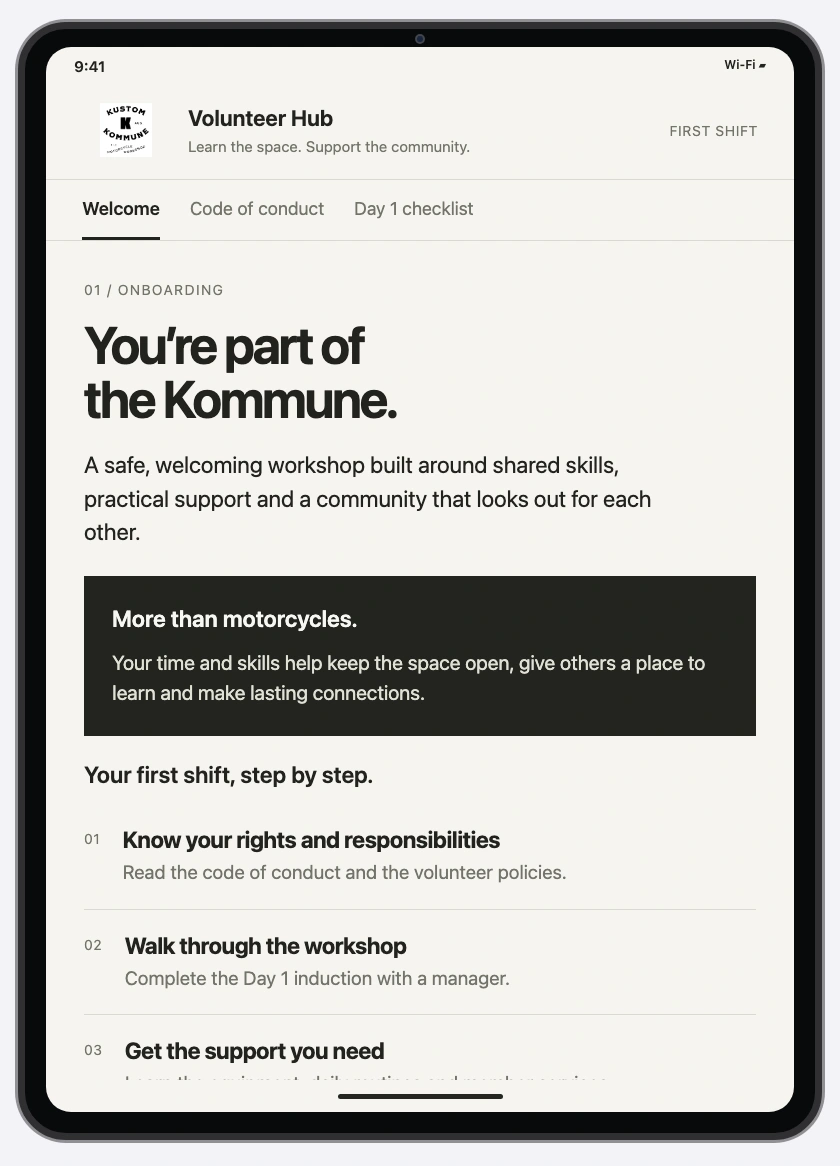
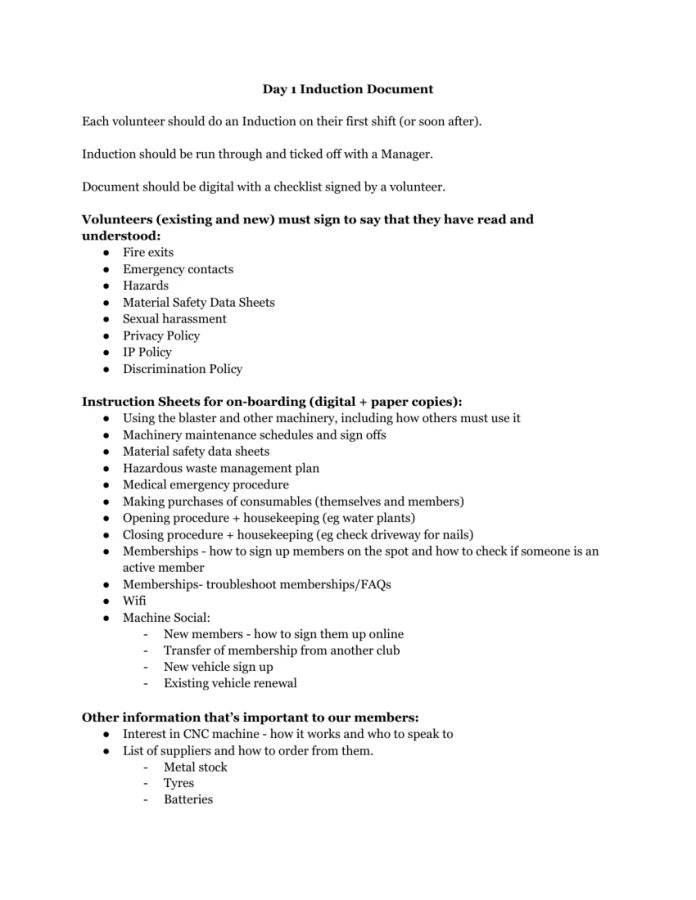
Checklist covering training, workshop routines and member support.
Complete operating handbook, including all eleven policy sections.
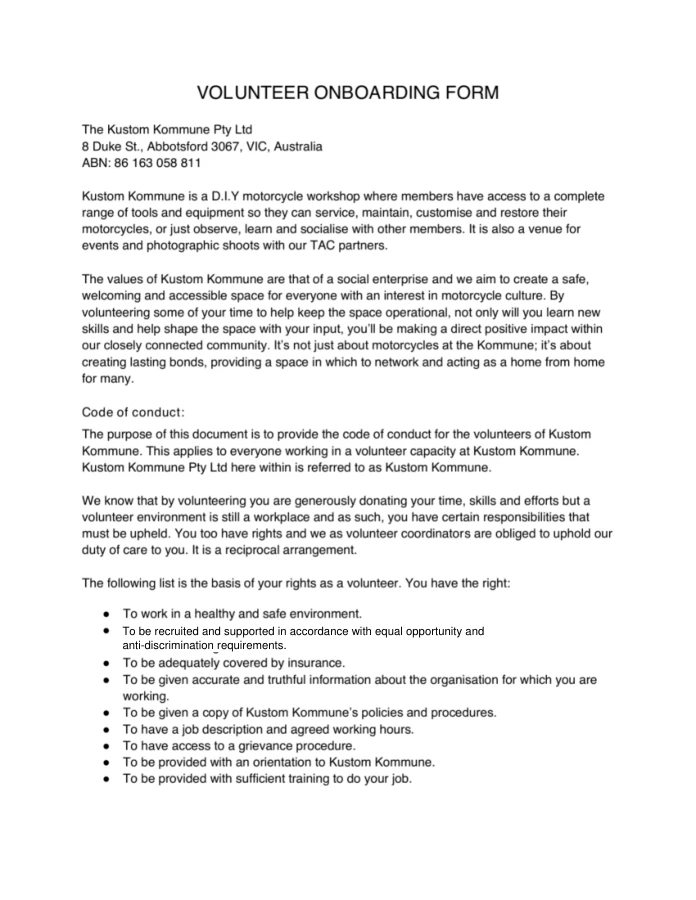
Volunteer rights, responsibilities and code of conduct.
Layout, spatial studies, parking and exterior proposals show the design and planning behind the fit-out. The workshop photographs show the facility in operation.
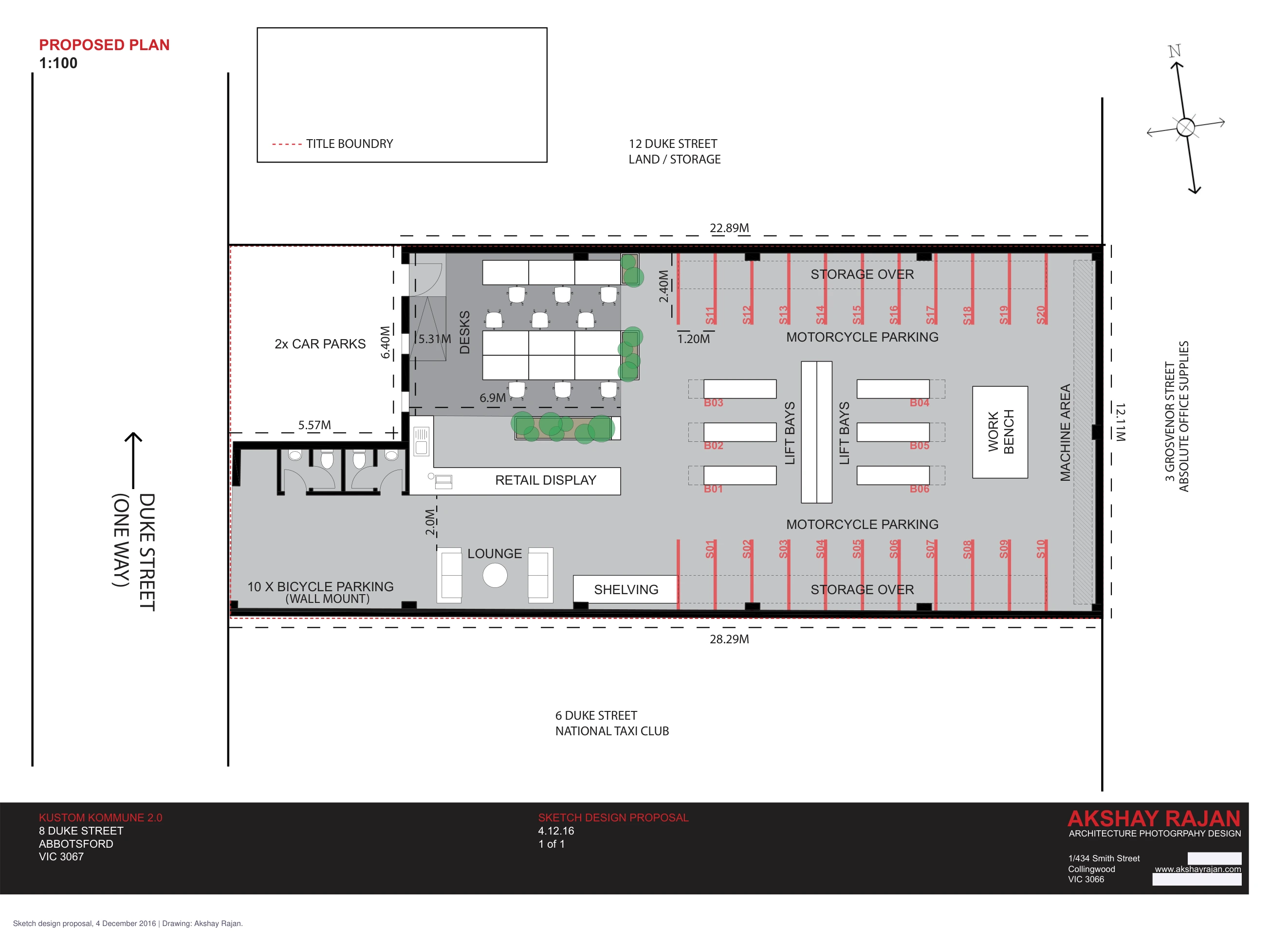
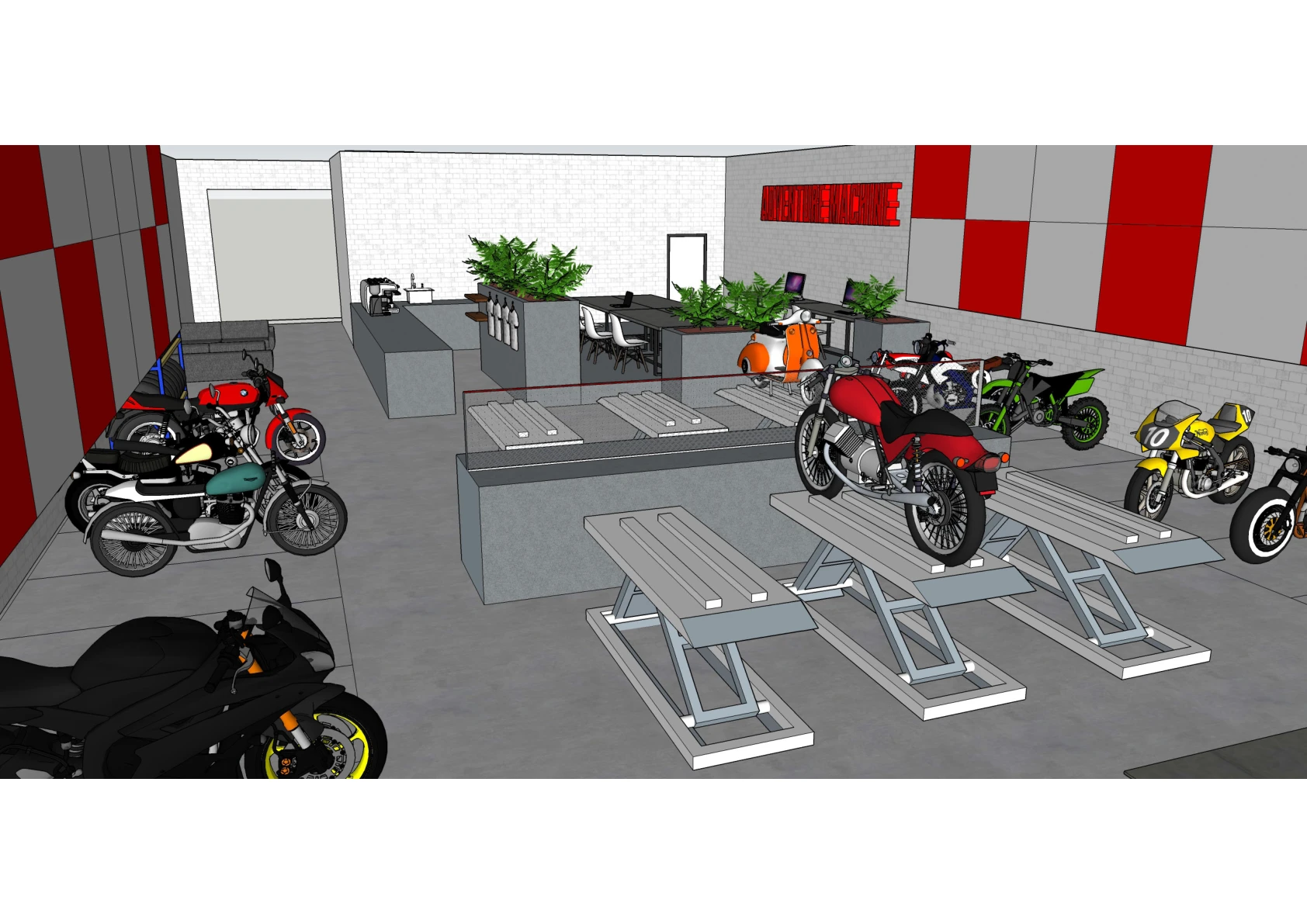
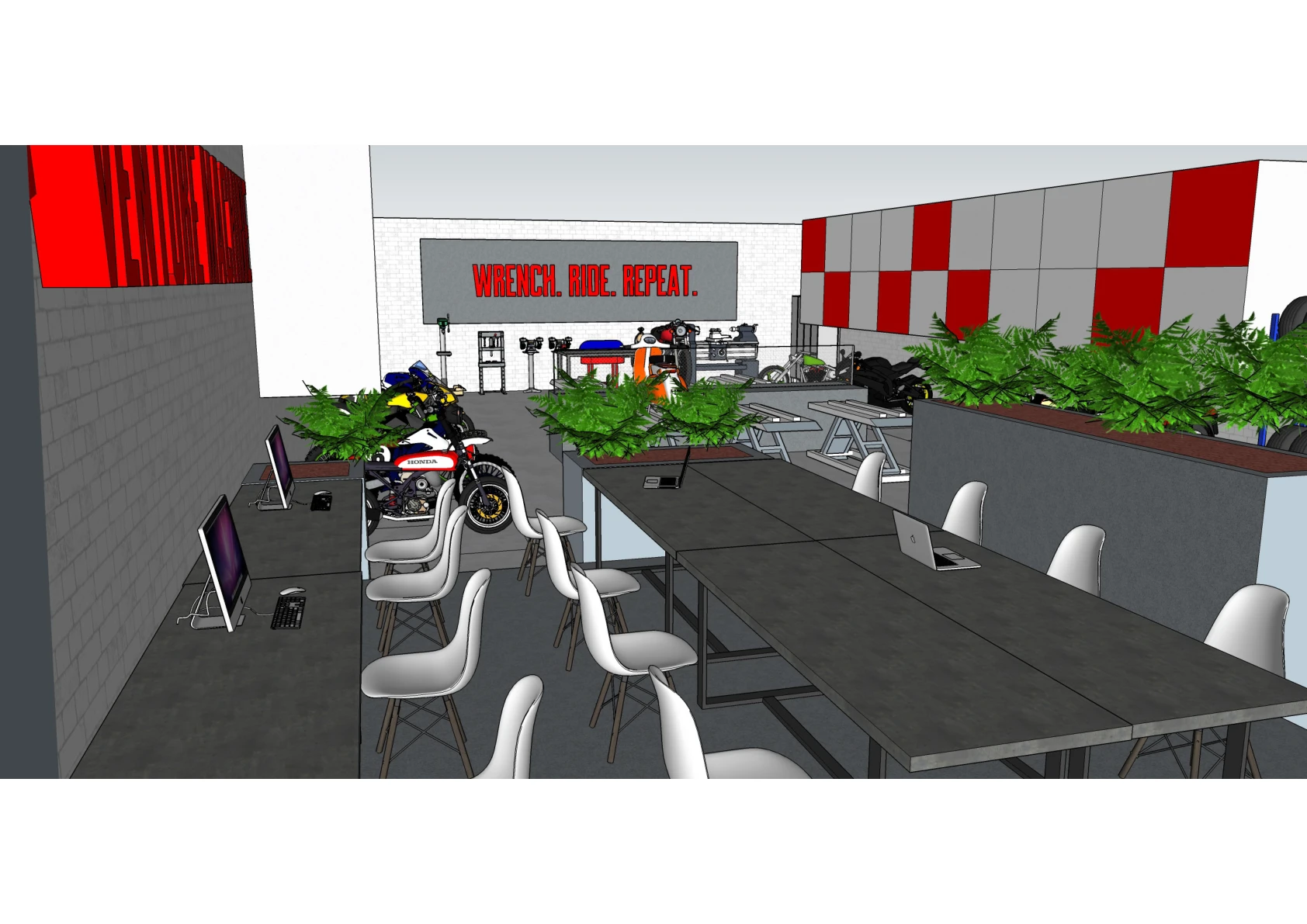
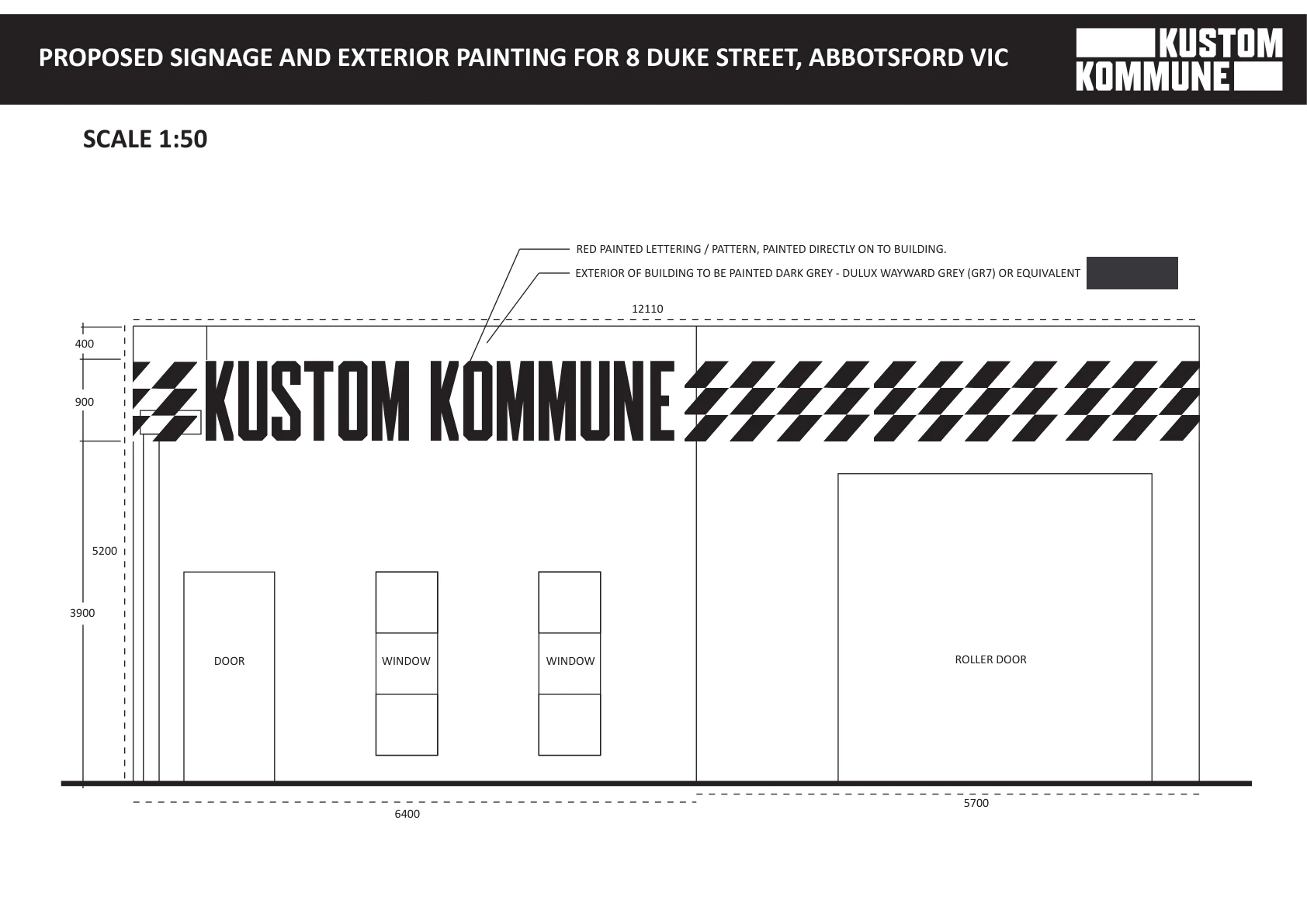
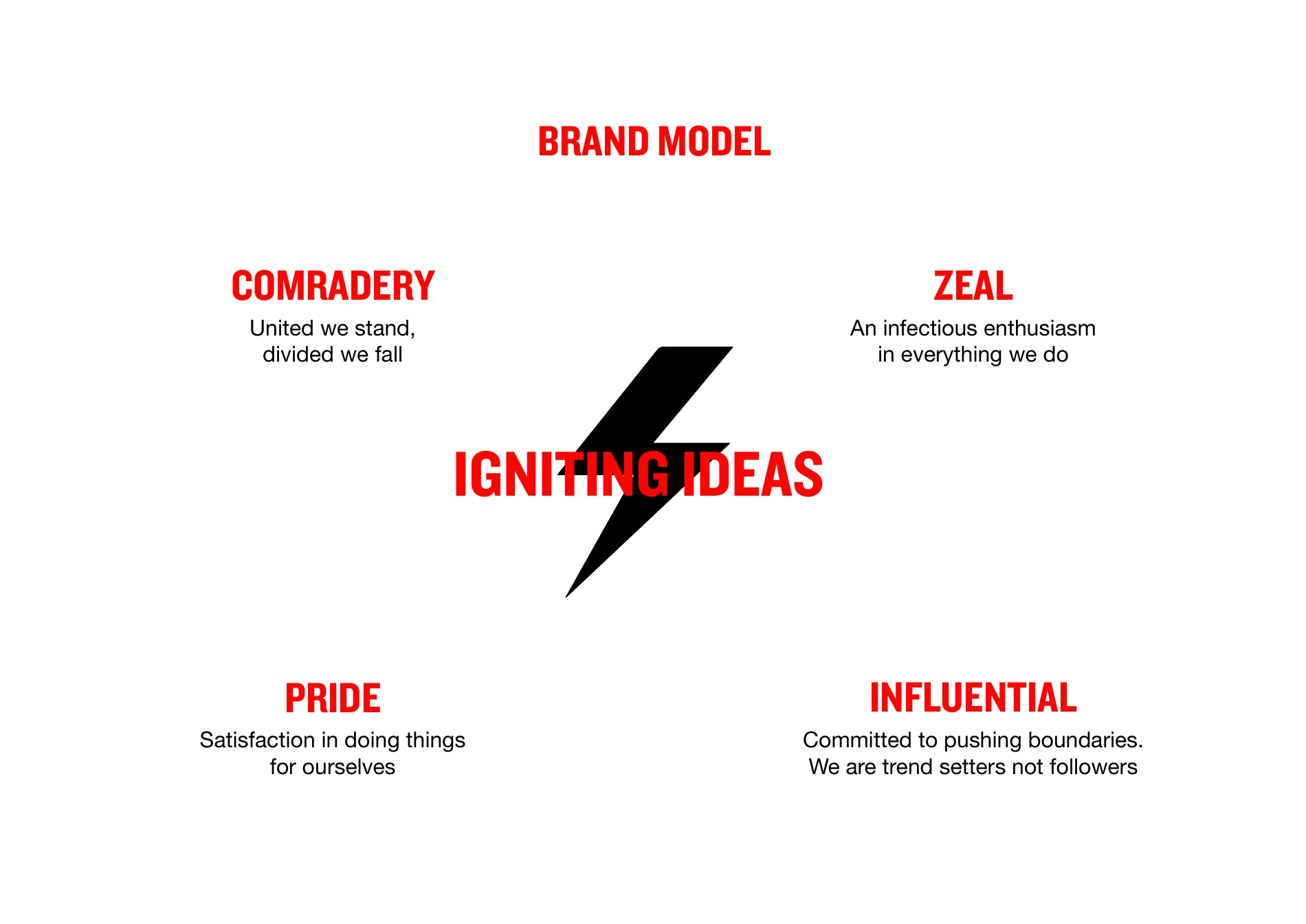
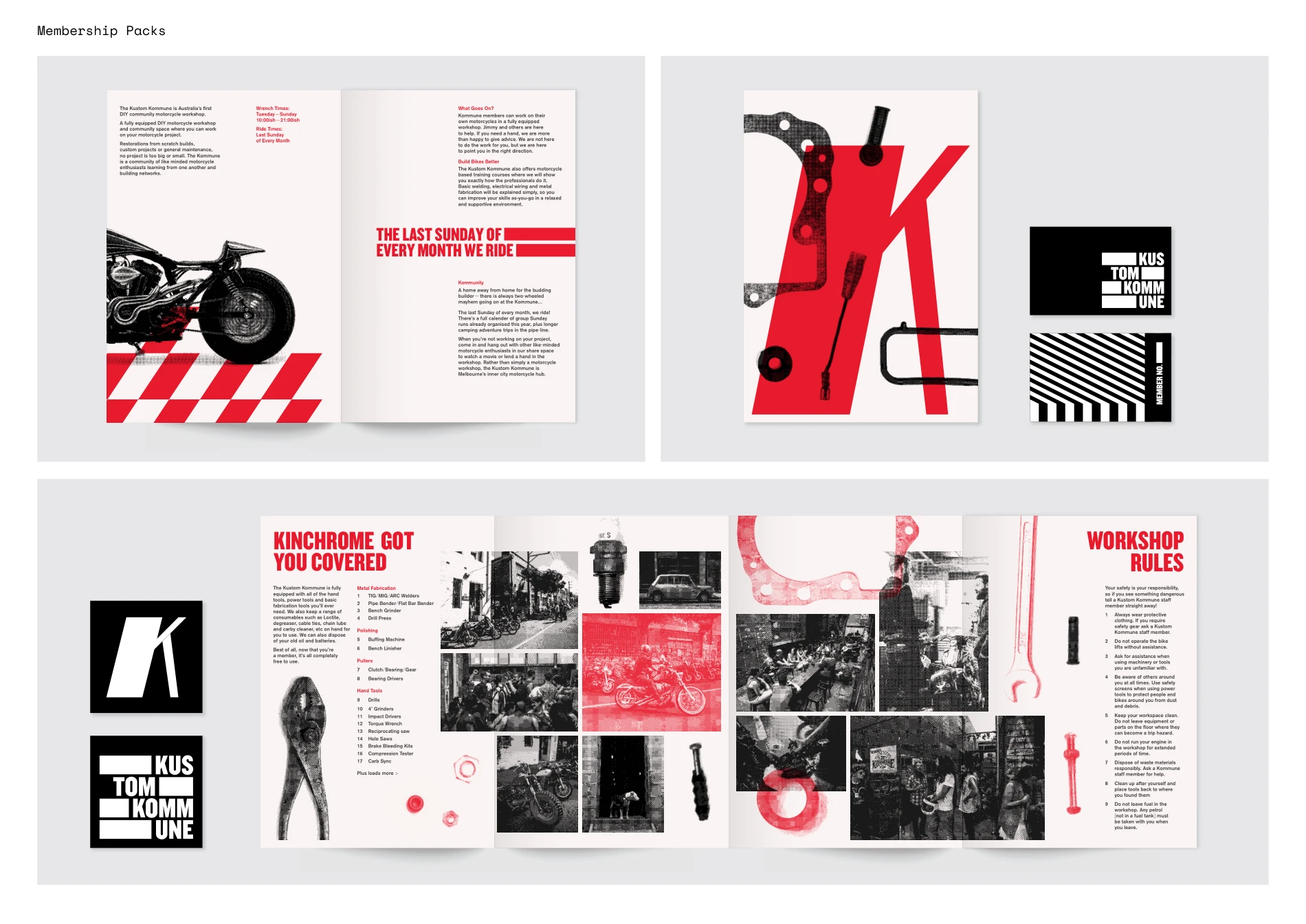
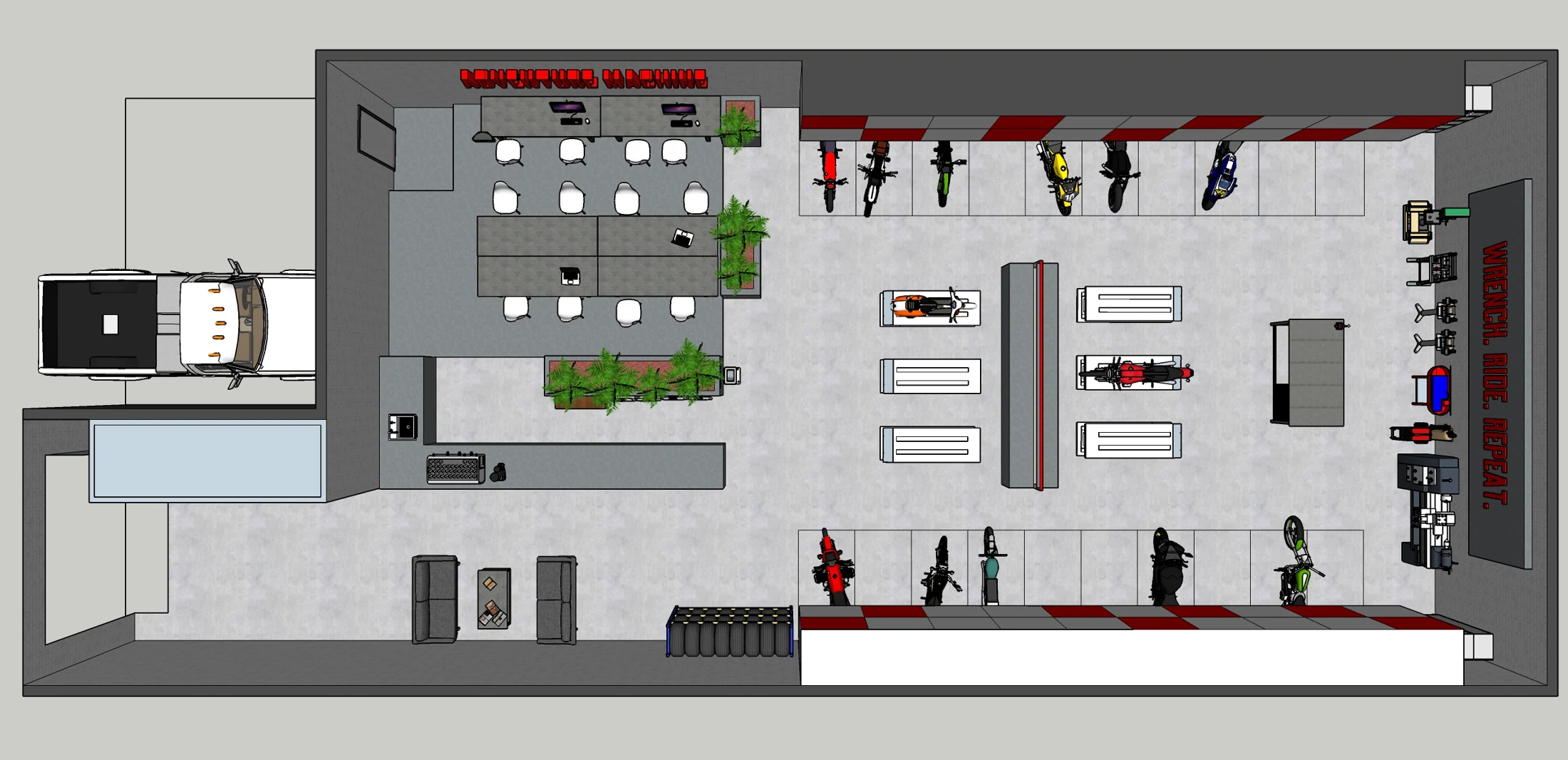
Design development and proposal images. Drawing credit: Akshay Rajan for the floor-plan sheet.
Sketch design proposal, 4 December 2016 · Drawing: Akshay Rajan.
Kommune expansion · Spatial design studies and proposal visualisations.
Complete application: site and transport research, proposed plans, parking requirements and the case for a reduced parking provision.
Kommune expansion · Proposed signage and exterior colour scheme.

I founded Adventure Machine as a content production company when sponsor and production demands outgrew an informal setup. I managed client briefs, contracts, budgets, crews, international logistics and finished work through the company. Nevermind Adventure’s Moto Mahila contract was with Adventure Machine; I produced and co-directed the film from pitch to premiere.
I established Machine Social to meet the Kustom Kommune community’s need for historic-vehicle registration and permit support, with workflows supporting approximately 250 vehicles.

Kommune became the foundation for Konnections, funded by Movember and the Distinguished Gentleman’s Ride. I developed and led the pilot; its delivery and lessons informed a funded extension.
The expanded workshop reopened in August 2017. At its commercial peak, Kommune exceeded AU$1M in annual turnover, with me as its sole employee and a wider network of volunteers, committee members and tradespeople. Peak operations included more than 1,000 members, 36 volunteers, approximately 9,100 volunteer hours a year and over 60 annual events.
Rolling Stone Australia described Kommune as “Australia’s first and largest do-it-yourself communal motorcycle workshop”. Bike EXIF called it “a great blueprint for grassroots motorcycling”. Its Cape Town workshop feature later identified Kommune and Rising Sun Workshop as inspirations for the Woodstock Man Cave.
Select an image to view it in full.
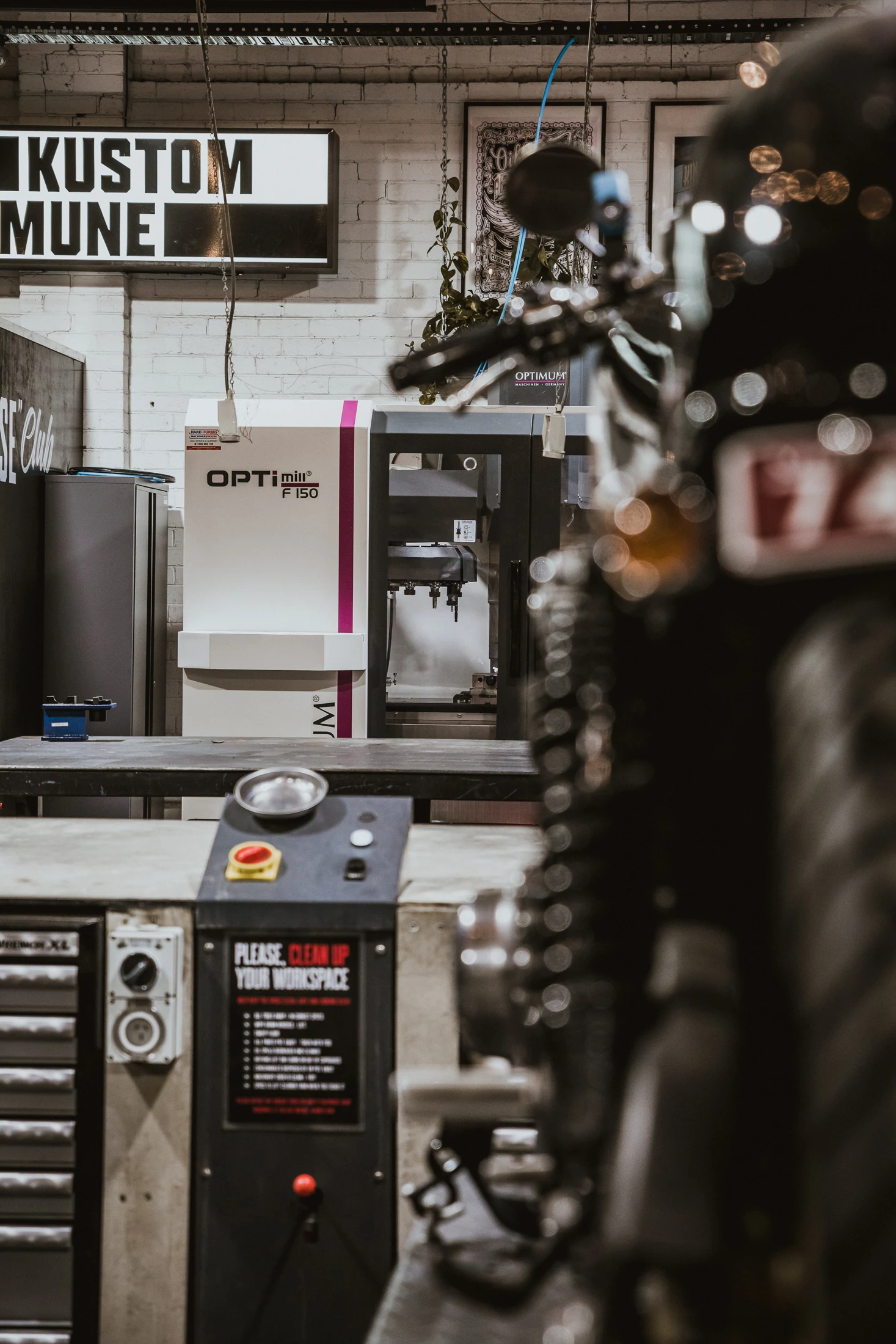
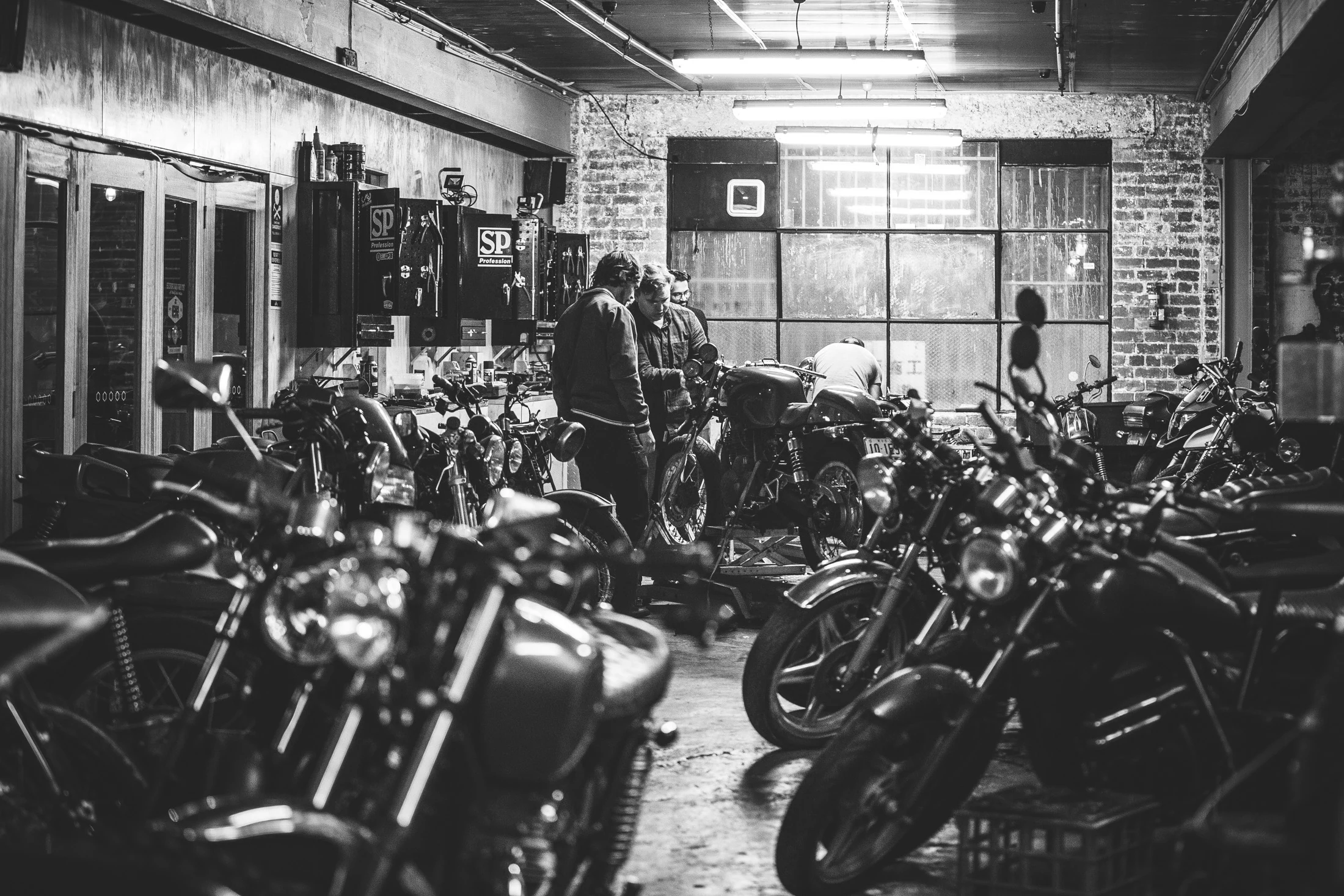
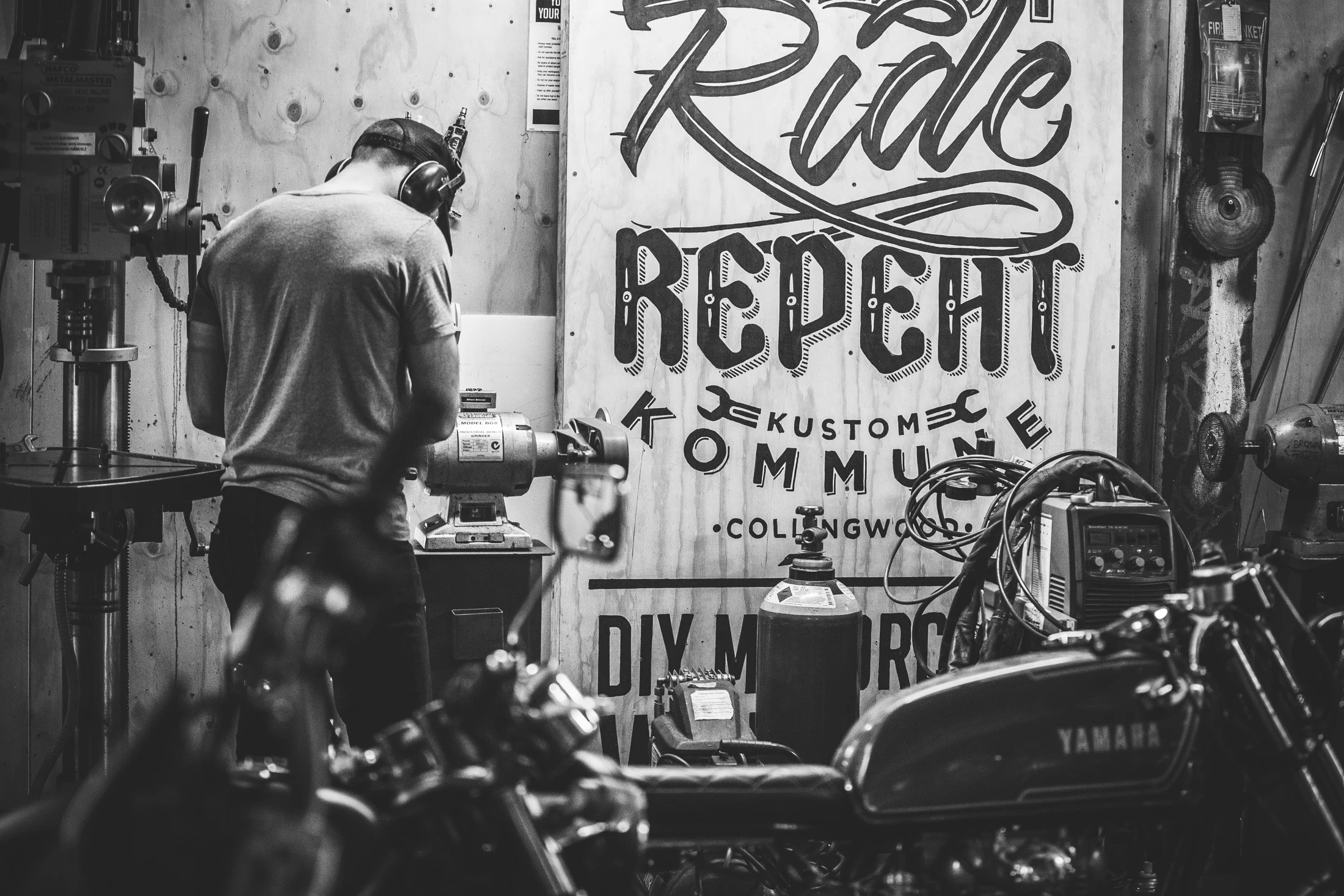
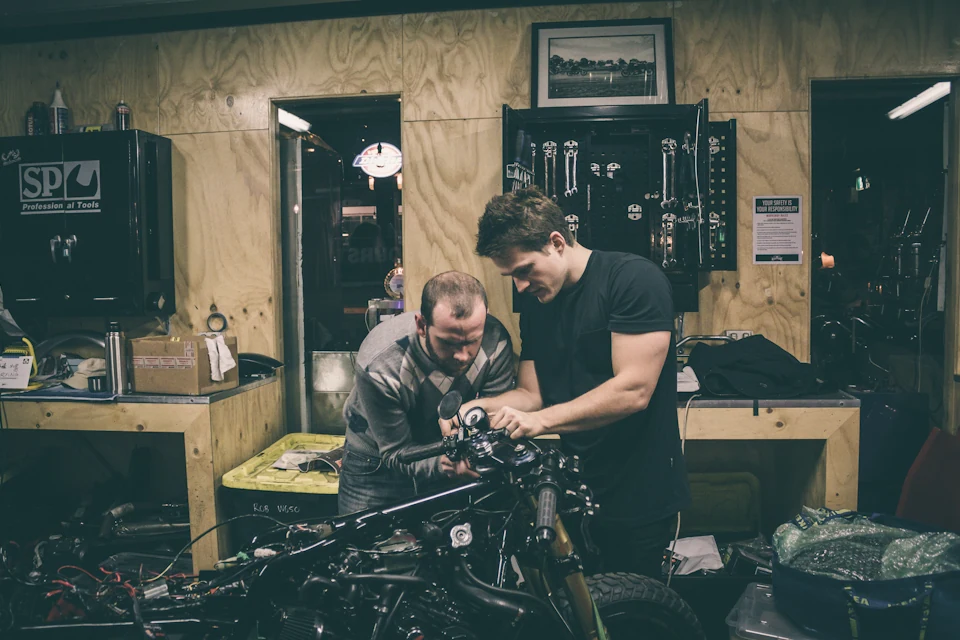
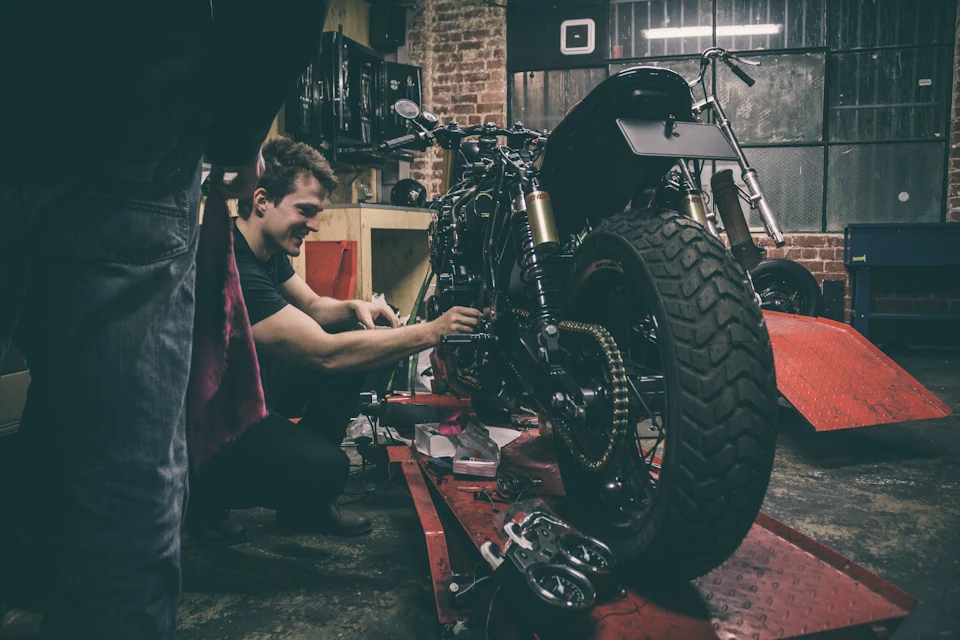
The original workshop: preparation, fit-out and community use.
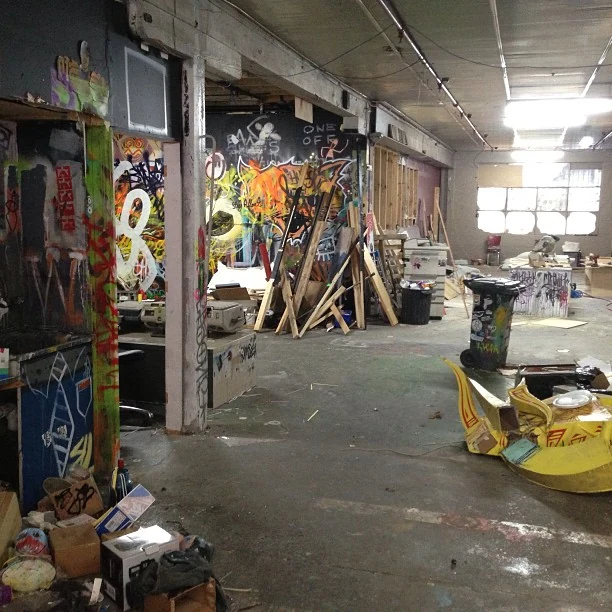
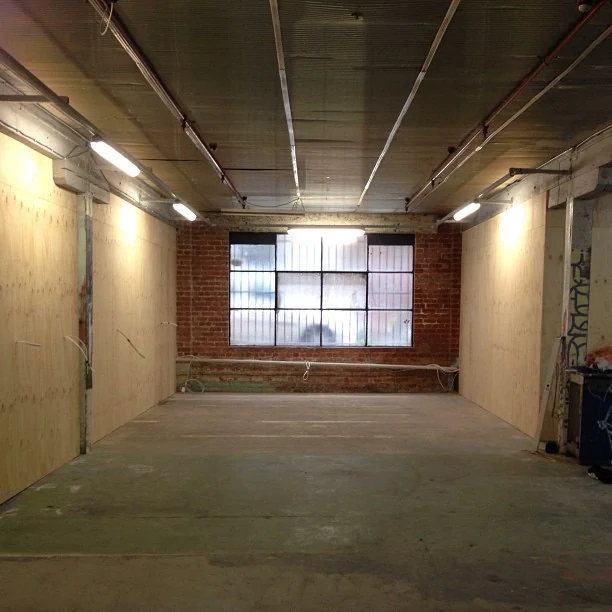
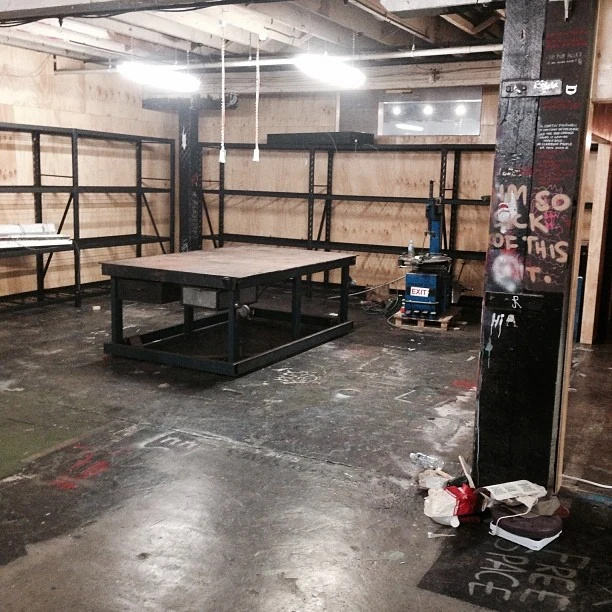
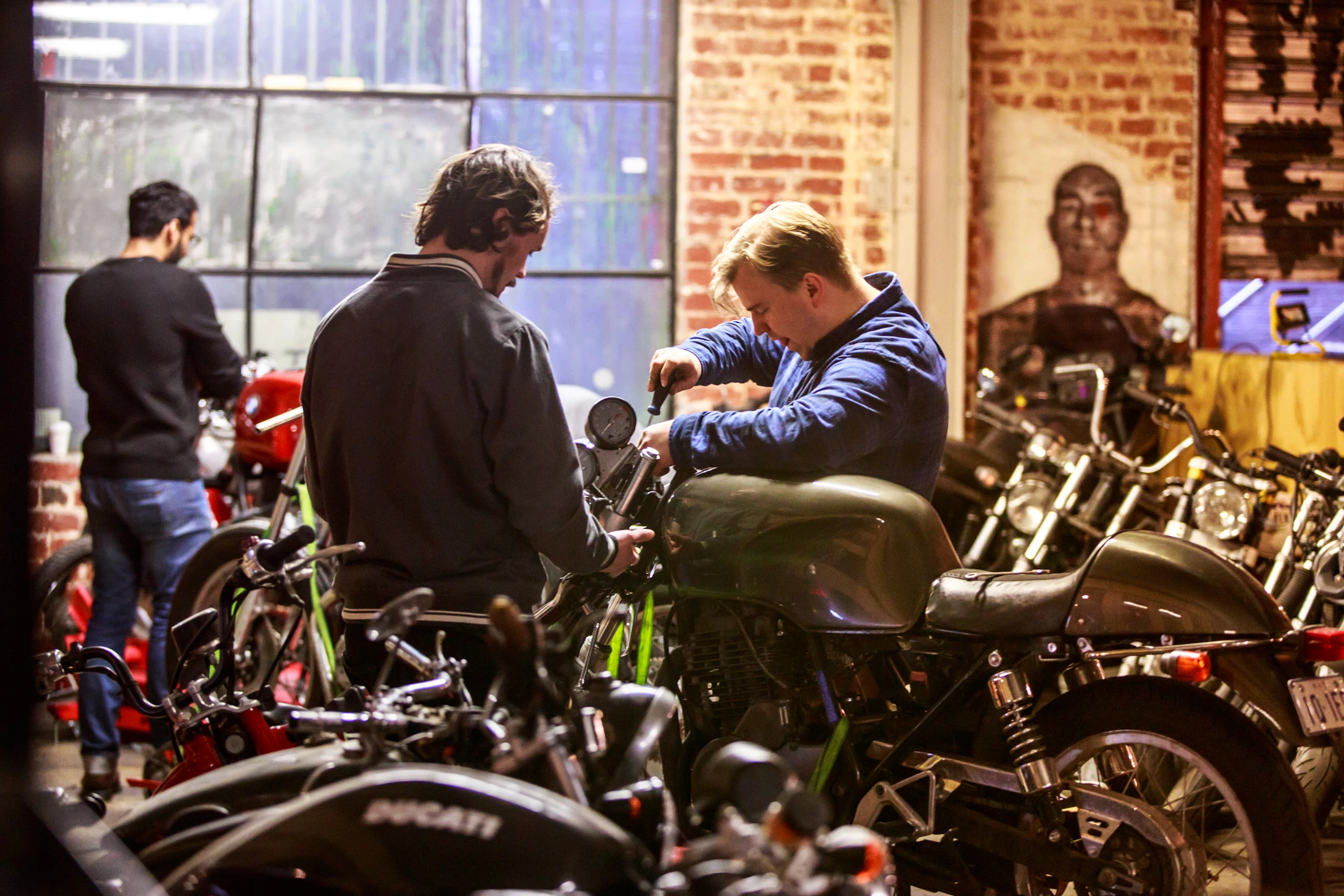
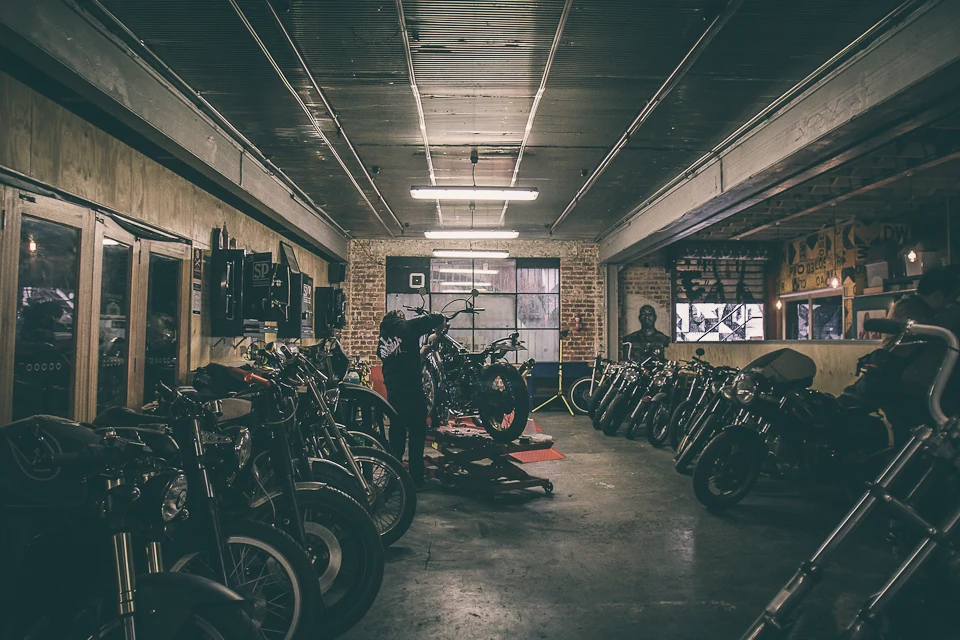
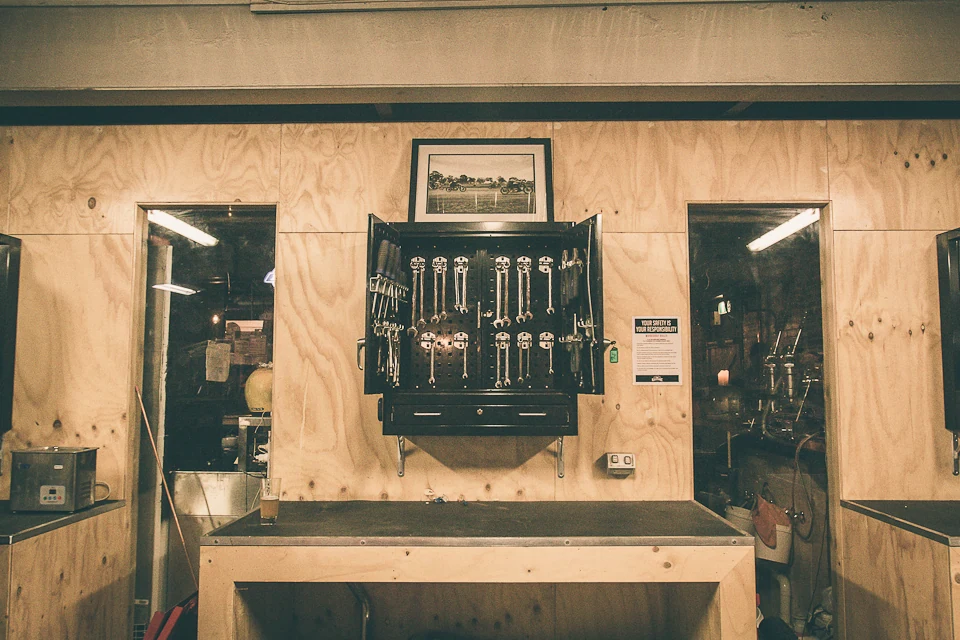
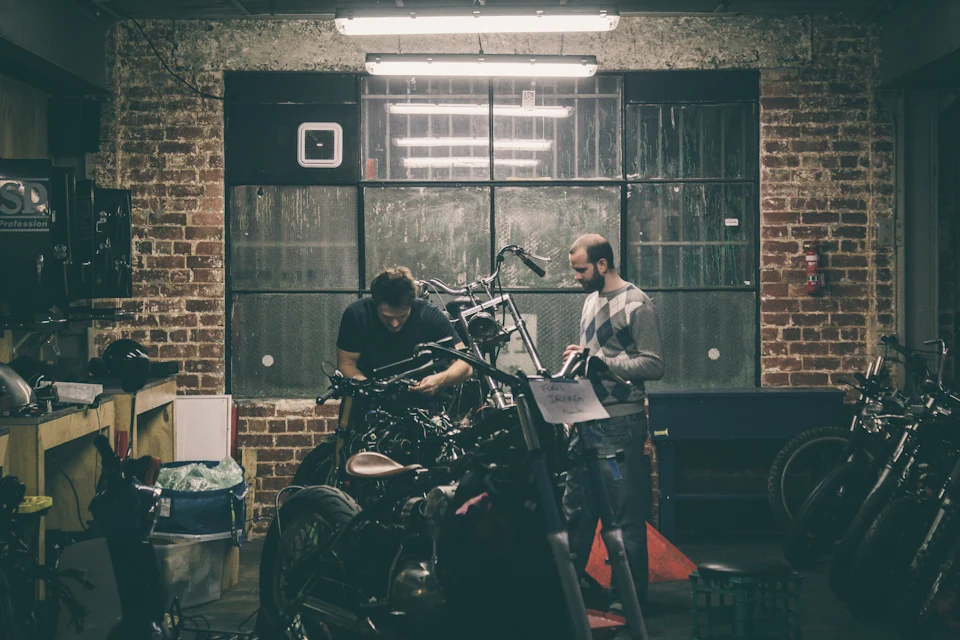
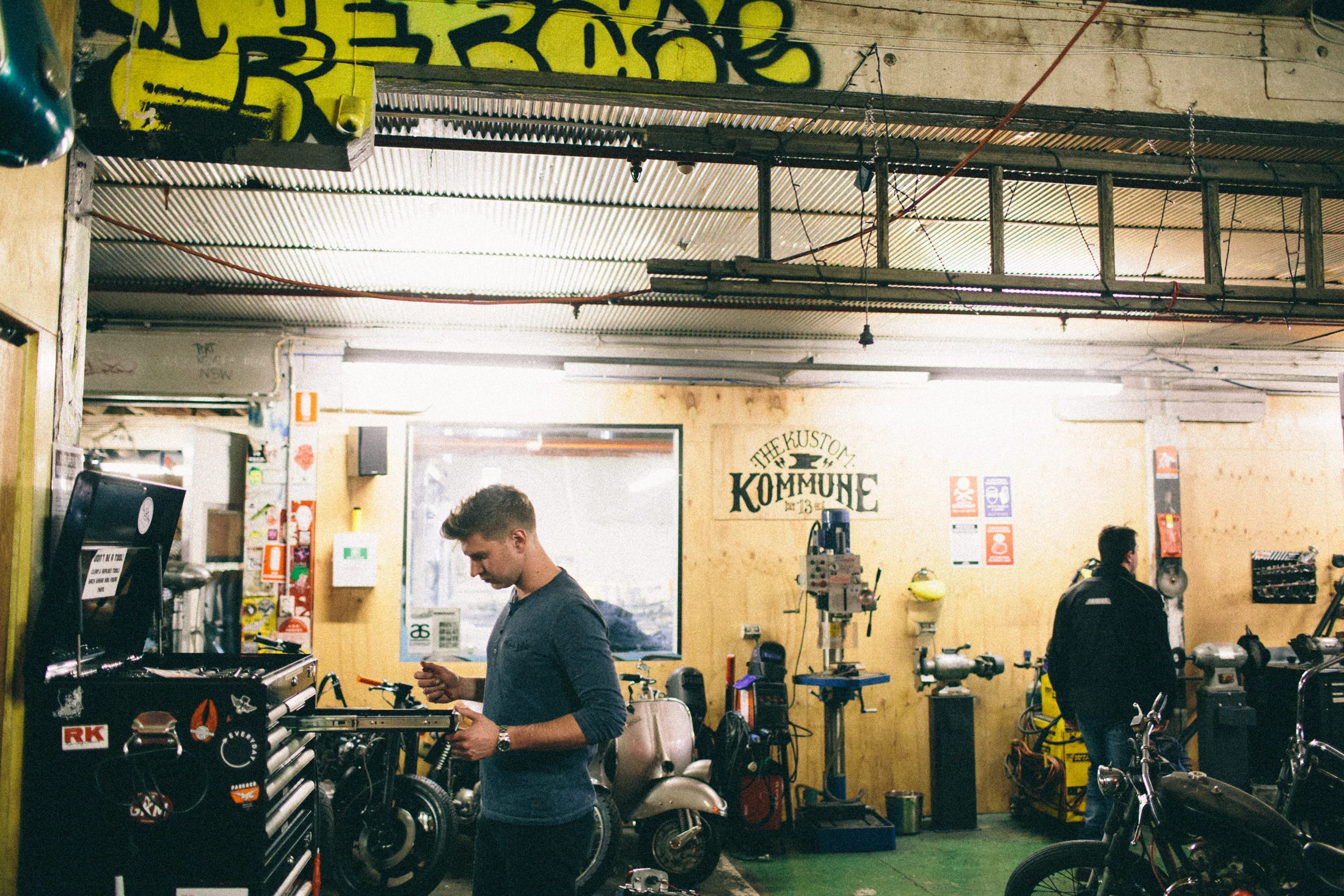
The larger facility: the empty site and later operational photographs.